Is North Yorkshire accessible? Step-free stays, walks and viewpoints
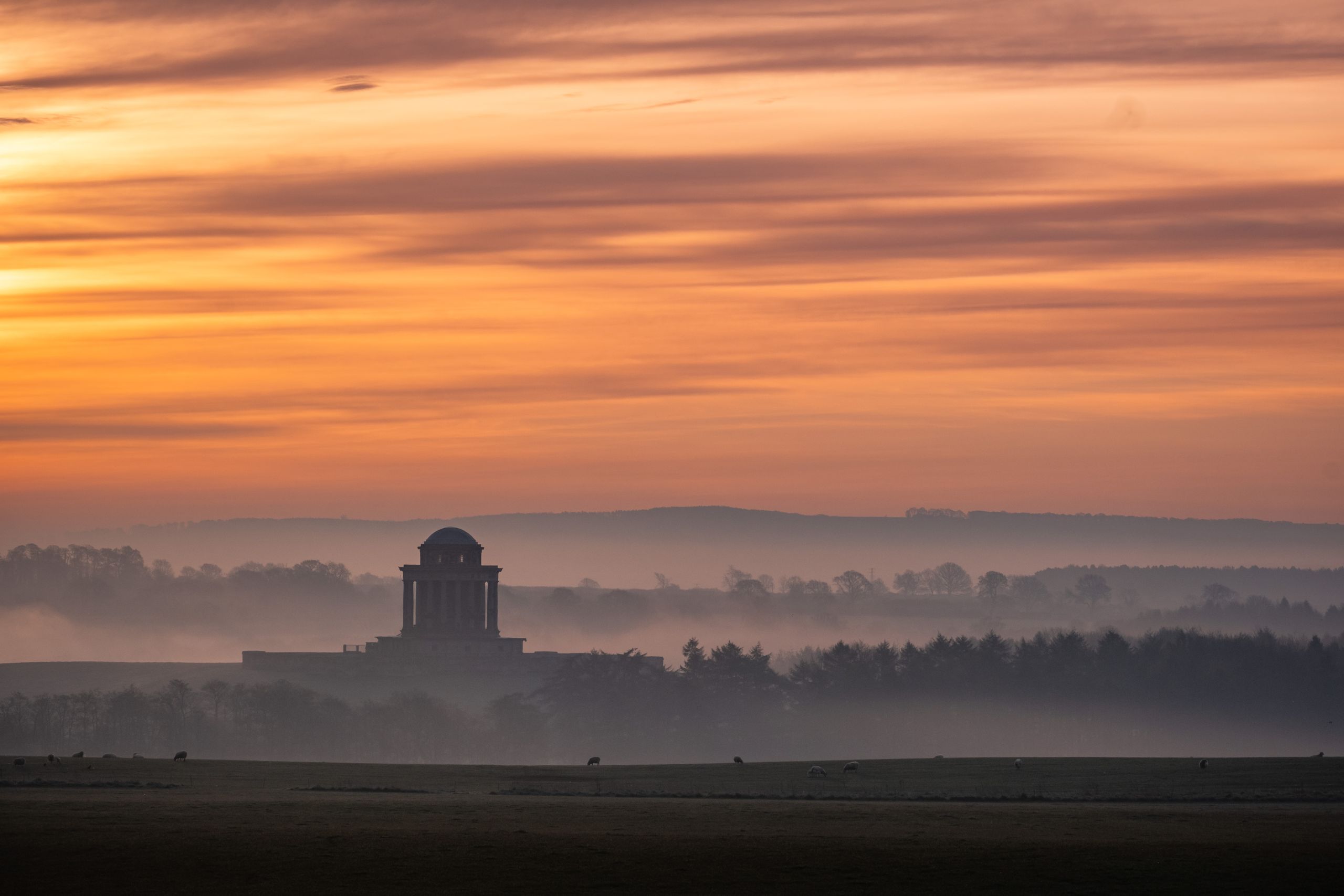 A wide surfaced trail through woodland with a bench and a level viewpoint over a Yorkshire valley
Honestly: strong in York and the coastal resorts, patchy in the Dales, and there are at least 6 specific things worth checking before you book anything.
The honest answer, split three ways
North Yorkshire is a genuinely mixed picture, and pretending otherwise wastes people's holidays. The cities and resort towns — York, Harrogate, Scarborough, Filey — have flat centres, level museums, accessible toilets and rail stations with staff. The market towns are workable but old, with kerbs, cobbled squares and stepped shop thresholds. The national parks are the hardest: the terrain is steep by definition, many of the best-known viewpoints are reached by stiles and rough tracks, and the historic buildings that draw visitors were built with steps at every door. That said, a well-planned week here can be full without a single stair.
The recurring problem is not hostility but the age of the building stock. A seventeenth-century coaching inn with three internal levels and a spiral stair to the good rooms cannot be retrofitted easily, and a farmhouse conversion with a beam at head height on the landing was never designed for a wheelchair. Meanwhile purpose-built facilities from the last twenty years — visitor centres, forest sites, newer hotels on town edges — tend to be very good. Access here correlates with construction date far more than with price, which is why an expensive boutique stay can be less usable than a modest modern one.
York: flat, but watch the surfaces
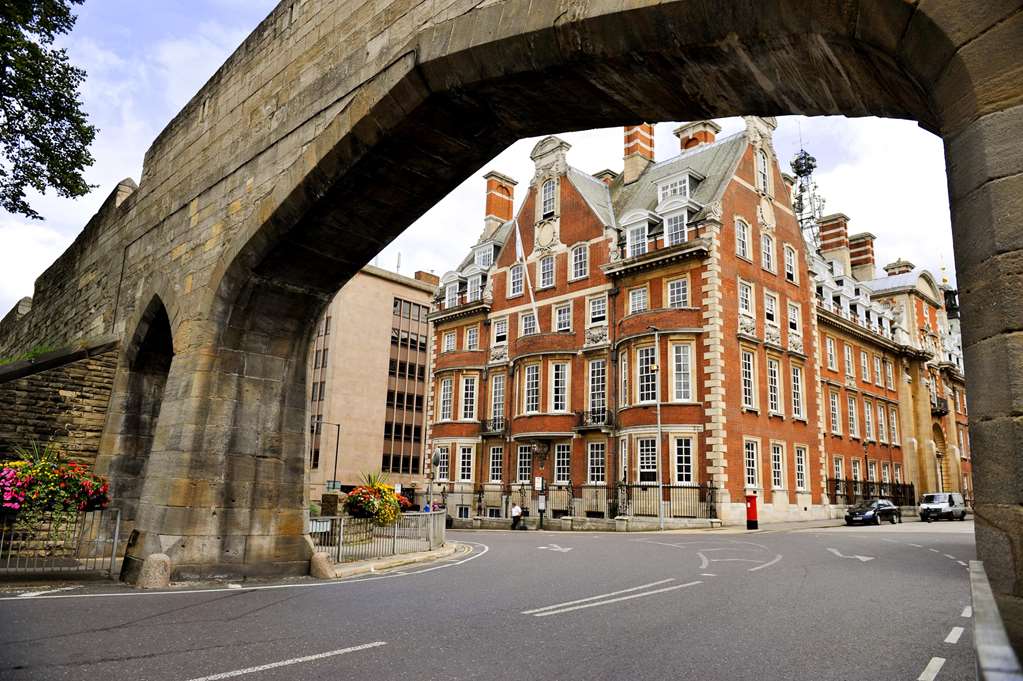
York's centre is nearly level, which is the main thing, and distances are short — most of the walled city is within a 15-minute push. The complication is surface: the Shambles, Stonegate and much of the core are laid with setts and worn flagstones that are hard work in a manual chair and jarring with a mobility scooter, and they are slick in rain. Where possible, use the parallel modern-surfaced routes; Parliament Street, Coney Street and the riverside paths are far smoother. Crowds are the other constraint, so the hour after opening is worth more than any map.
The Minster has step-free entry and level access to the nave and much of the ground floor, with the undercroft reachable by lift; the Central Tower climb of 275 steps is obviously not an option, and nobody pretends otherwise. The city walls are stepped at every bar and should be treated as inaccessible. Among the museums, the modern-built attractions along the riverside and Museum Gardens area handle wheelchairs well; the smaller historic houses often do not. Confirm arrangements directly with each site rather than relying on a general listing, and ask specifically about lift dimensions and accessible toilets.
The coast: lifts, promenades and the 199 steps question
You do not have to climb Whitby's 199 steps to reach the abbey and St Mary's Church. There is a road approach on the east side via Green Lane and Abbey Lane to a car park at the top, which is how most visitors with mobility needs arrive; the abbey grounds themselves are grassy and uneven in places but the visitor centre and main paths are manageable. Down in the town, the harbourside and the swing bridge area are level, while the lanes climbing away from the water on both sides are steep and narrow. Park at the top and work downhill where you can.
Scarborough is the strongest coastal base for level walking: the South Bay promenade, the Spa complex approach and Marine Drive give kilometres of flat seafront, and the Victorian cliff lifts link foreshore to town — useful, though the historic funiculars have their own access limitations, so check with the operator. Filey's promenade and Crescent Gardens are flat and quiet, arguably the easiest seaside day in the county. Robin Hood's Bay is the opposite and should be approached honestly: the bank into the village runs to 1 in 3, and there is no way to soften that.
Countryside you can actually reach
Several places have done real work on surfaced, gradient-controlled trails. The Sutton Bank national park centre on the A170 has a level clifftop route to a Vale of York panorama that is one of the best views in England for the effort involved. Dalby Forest has graded surfaced trails and accessible facilities alongside its mountain biking. Brimham Rocks in Nidderdale has a firm main path among the rock formations. Fountains Abbey and Studley Royal has extensive level routes through the water garden, though the abbey ruins themselves have uneven ground. Aysgarth's upper falls viewpoint is a short surfaced walk from the car park.
All-terrain mobility scooters, commonly branded Trampers, can be borrowed at some national park centres and forest sites, which transforms what is possible on gravel and grass tracks. They are limited in number and usually need booking ahead, and availability changes, so contact the site directly rather than turning up. Where you should not go: the Three Peaks paths, the Ingleton Waterfalls Trail with its many steps, Malham Cove's 400-step staircase up the side, and most riverside footpaths in the dales, which are stiled and boggy. Aim for national park centres, forest sites and estate parkland instead of open fell.
Trains, buses and heritage railways
York station is fully staffed with step-free access to platforms and is the easiest arrival point in the county by a wide margin; Harrogate, Scarborough, Northallerton and Skipton are also manageable. The small rural stations are not. Several stops on the Settle-Carlisle line and the Esk Valley line to Whitby have platform-to-train gaps, no lifts and unstaffed hours, so if you are boarding at one of them, arrange assistance in advance with the train operator and confirm both ends of the journey. Passenger Assist can generally be booked ahead or requested on the day, but booking removes the risk.
Buses in the towns are low-floor with wheelchair spaces as standard, and the York park and ride fleet is straightforward. Rural services are a different matter: infrequent, sometimes operated by smaller vehicles, and dependent on a driver being able to deploy a ramp at a rural stop with no raised kerb. Ring the operator before relying on a specific journey. The North Yorkshire Moors Railway and other heritage lines run historic rolling stock; some services include an accessible carriage but this varies by train and by day, so book and confirm rather than assuming.
Finding a bed that works
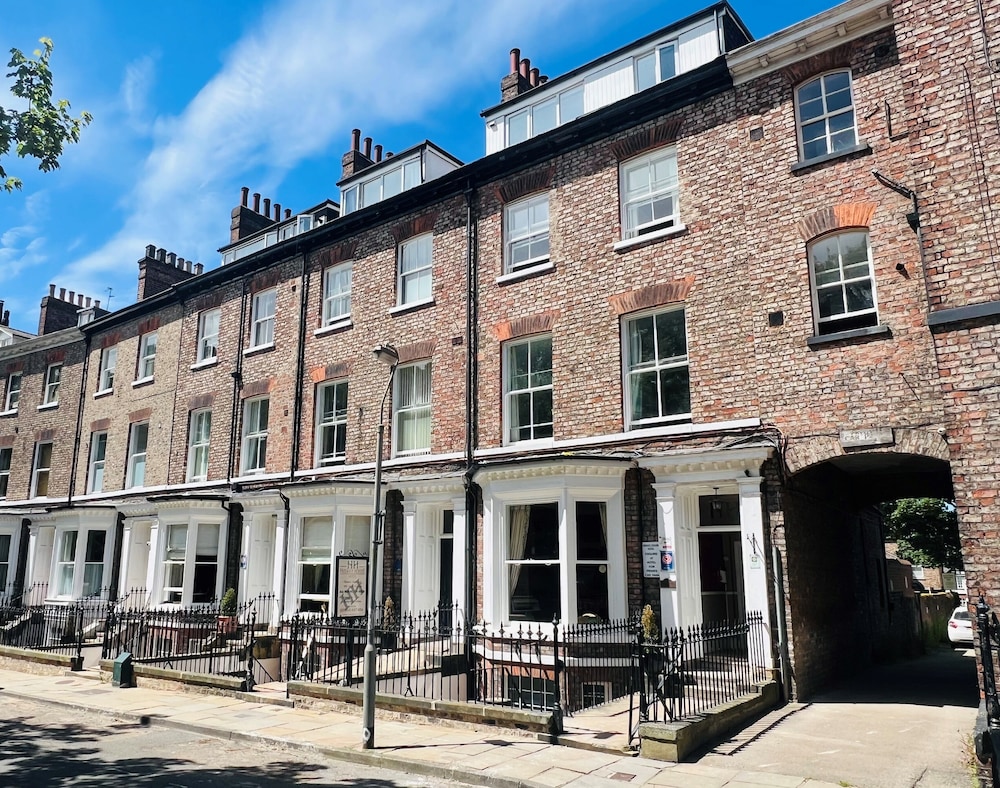
Ground-floor and step-free rooms exist across the county but they are thinly spread and they sell out first, particularly from May to September. The most reliable stock is in purpose-built hotels on town edges and along the main road corridors near Harrogate, York, Northallerton and Scarborough, where accessible rooms with wet rooms are designed in rather than adapted. Converted coaching inns in the market towns and the Dales villages frequently have three steps at the front door, a narrow stair and a bathroom carved out of a corner — beautiful, and not usable for everyone. Farm and barn conversions vary wildly.
Book direct and ask specific, unembarrassed questions, because generic accessibility filters on booking sites are notoriously unreliable. The ones that matter: doorway widths, whether the wet room has a level entry and a fixed or drop-down rail, the height and firmness of the bed, whether there is a step anywhere on the route from the car park to the room, whether parking is right outside, and whether the restaurant and breakfast room are on the same level. Ask for photographs. A five-minute phone call at booking prevents the arrival scene that ruins a first evening.
Practical kit and paperwork
Bring your Blue Badge and use it: it gives free parking in council on-street and most council off-street disabled bays, subject to displayed time limits, though private operators and some attraction car parks set their own rules. A RADAR key for the National Key Scheme is essential, since a large share of accessible public toilets across market towns, coastal car parks and country parks are locked with one. Changing Places facilities with hoist and bench exist in the bigger centres — York, Scarborough, Harrogate and some visitor attractions — but they are not everywhere, so plan a route around known locations rather than hoping.
Two more habits pay off. First, phone ahead the same week: rural attractions run reduced staffing out of season, lifts break, and a site that is normally excellent may be operating differently. Second, weather-proof the plan. Surfaced trails at Sutton Bank or Dalby stay usable in rain when grass tracks turn to mud, and a level indoor day in York or Scarborough is a better wet-weather fallback than a dales viewpoint. Some coastal towns operate beach wheelchair loan schemes in season; ask the local tourist information point before travelling rather than at the beach.
Before you book
The questions people ask about York, answered with this month’s numbers.
Yes. There is a vehicle route up the east cliff via Green Lane and Abbey Lane to a car park beside the abbey and visitor centre, avoiding the steps entirely. The grounds have some uneven and grassed ground, so check the current access arrangements with the site before travelling if surfaces matter.
Sutton Bank on the A170 between Thirsk and Helmsley. A short surfaced clifftop path from the national park centre reaches a panorama across the Vale of York and Gormire Lake, with accessible parking, toilets and a cafe on site. Dalby Forest and Brimham Rocks are the next best options.
Not in the villages. Purpose-built hotels on town edges near York, Harrogate, Northallerton and Scarborough hold the most reliable step-free rooms with wet rooms; historic coaching inns often have entrance steps and narrow stairs. Book direct, ask about door widths, level shower entry and parking distance, and request photographs.