How accessible is North Yorkshire? An honest guide to cobbles, hills and step-free stays
 A level surfaced trail through woodland with a viewpoint bench in the North York Moors
York is one of the easiest historic cities in England to roll around, its 3.4 km of city walls are effectively closed to wheelchair users, and the gap between those two facts is the whole story.
The honest headline
North Yorkshire splits cleanly into places that work well and places that do not, and the marketing rarely tells you which is which. The workable side is York's flat centre, the promenades at Scarborough and Filey, the modern visitor centres in both national parks, and a growing set of surfaced countryside trails. The difficult side is anything medieval, anything on a cliff, and anything reached by a farm lane. Whitby's harbour town is built on two steep sides of a river mouth; Robin Hood's Bay is a one-in-three cobbled descent; Richmond and Knaresborough are hill towns with cobbled market squares.
That does not mean a wheelchair user should skip the region, but it does mean choosing a base for terrain rather than scenery and accepting that some famous sights are simply out. Plan around a flat hub, then take day trips to the specific accessible attractions rather than assuming a village will be navigable. Ring ahead for everything: in a county of Grade I listed buildings and family-run inns, the phrase accessible on a booking site can mean a ramped front door and nothing else. Ask about door widths, thresholds, bathroom layout and the distance from parking.
Trains: good at York, patchy everywhere else
York is a fully staffed mainline station with lifts to every platform, level boarding assistance and direct services from London, Edinburgh, Manchester and Leeds, which makes it the obvious arrival point. Harrogate, Northallerton, Scarborough, Skipton and Selby are all staffed for at least part of the day but vary in whether platform access is by lift, ramp or footbridge. Passenger Assist can usually be booked up to two hours before travel across national operators, and booking further ahead is still wise on rural branches where staff cover is thin. Confirm current arrangements with National Rail and the train operator.
The scenic lines are where reality bites. Many stations on the Settle to Carlisle route have stepped access, no lift and a substantial gap between platform and train, and some are unstaffed, meaning assistance must be arranged rather than assumed. The Esk Valley line to Whitby serves small halts with similar limitations. The North Yorkshire Moors Railway between Pickering, Levisham, Goathland and Grosmont operates heritage rolling stock and does provide adapted accommodation on some services, but capacity is limited and must be arranged in advance directly with the railway.
Buses and the one wheelchair space
Town services in York, Harrogate and Scarborough are largely low-floor with a ramp and a designated wheelchair bay, and the long-distance routes worth knowing are the Coastliner between York, Malton, Pickering and Whitby, and the Leeds to Harrogate and Ripon corridor. Each vehicle has one wheelchair space, and following a Supreme Court ruling drivers are required to take active steps to persuade other passengers, including buggy users, to vacate it. That works most of the time; it is not a guarantee, and a full bus in August may mean waiting for the next one.
Rural Dales and Moors services often use smaller vehicles where a ramp is not fitted, and seasonal community-run networks change from year to year. Do not plan a day in upper Wensleydale around a single bus without confirming the vehicle type with the operator first. Community transport and dial-a-ride schemes exist across the county for residents and sometimes for visitors, and the tourist information centres in York, Whitby and Skipton are the most efficient way to find out what runs where. Verify timetables and vehicle accessibility directly with the operator before you travel.
Driving, Blue Badges and the drop-off trick
A car remains the most reliable way to move around, and the Blue Badge scheme applies here as elsewhere in England, with concessions in council car parks that vary between City of York and North Yorkshire Council; check the current rules with each authority. Designated bays exist in every town car park but are few, and at Malham, Aysgarth and Sutton Bank they fill early on fine weekends. Arriving before ten in the morning changes the day more than any other single decision, and this holds from Easter through to the end of October.
The drop-off trick saves several sites. In Whitby, the abbey headland is reached by road via Abbey Lane and has its own car park, which entirely bypasses the 199 Steps from the harbour. At Bolton Abbey the estate has parking close to the priory ruins and surfaced riverside paths. In York, the closest legal drop-off points to the Minster and Shambles are on the fringe of the foot-street zone, and hotel staff will name them if you ask when booking. Never assume you can drive to a village centre; several are pedestrianised or physically too narrow.
York on wheels: what works and what does not
York's centre is flat, compact and largely traffic-free during foot-street hours, which makes it unusually manageable. The catch is surfacing: Stonegate, the Shambles and parts of Petergate are cobbled or setted, which is uncomfortable in a manual chair and jarring in a powerchair with small castors. Parallel routes on smoother paving usually exist a street away, and the riverside path along the Ouse is level. The Minster has step-free entry and a designated route inside, but the central tower involves 275 steps and is unavoidably out of reach for anyone who cannot climb.
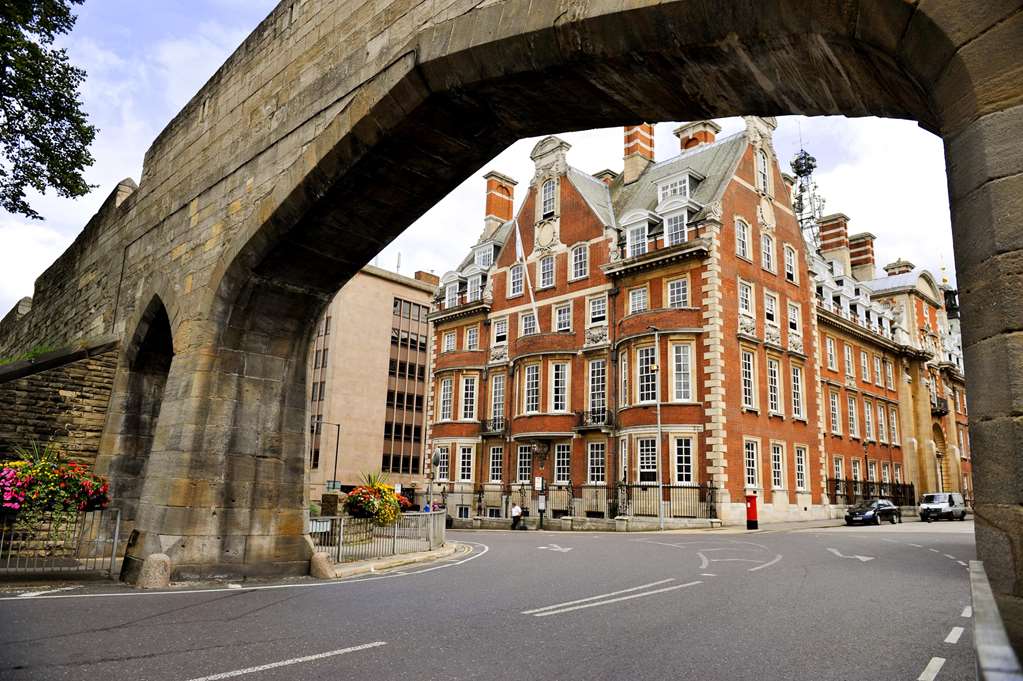
The city walls are the biggest disappointment. Access at every bar is by stone stairs, the walkway is narrow with an uneven surface, and there is no lift, so the walls are effectively closed to wheelchair users. Clifford's Tower sits on a steep earthwork mound reached by a long external stone stair, which rules it out on the same grounds. The compensations are strong: the major museums in the centre have lifts and level entrances, and several offer companion concessions. Check individual access statements, which most York attractions publish in detail, before buying tickets.
Countryside you can actually reach
Both national parks have invested in surfaced, gate-free routes, and these are the ones worth building a day around. The Yorkshire Dales authority publishes a Miles Without Stiles style set of routes on firm surfaces with no stiles and manageable gradients, typically one to three miles, in locations including Wharfedale and Wensleydale. Sutton Bank National Park Centre on the A170 has an all-ability trail along the escarpment with one of the widest views in the county, and offers all-terrain mobility scooters to hire, which must be booked ahead. Confirm availability with the centre directly.
Elsewhere, Dalby Forest above Pickering has surfaced trails and its own visitor centre with adapted facilities, and the surfaced riverside paths on the Bolton Abbey estate give genuine Dales scenery without a stile. Aysgarth Falls has a short surfaced route to a viewing area for the upper falls, though the lower falls involve steps. At Fountains Abbey and Studley Royal, the site is large and hilly, but a buggy or shuttle service operates in the main season to reduce the distances. In each case, ring on the day, because these services depend on volunteer staffing.
Where to stay, and the questions to ask
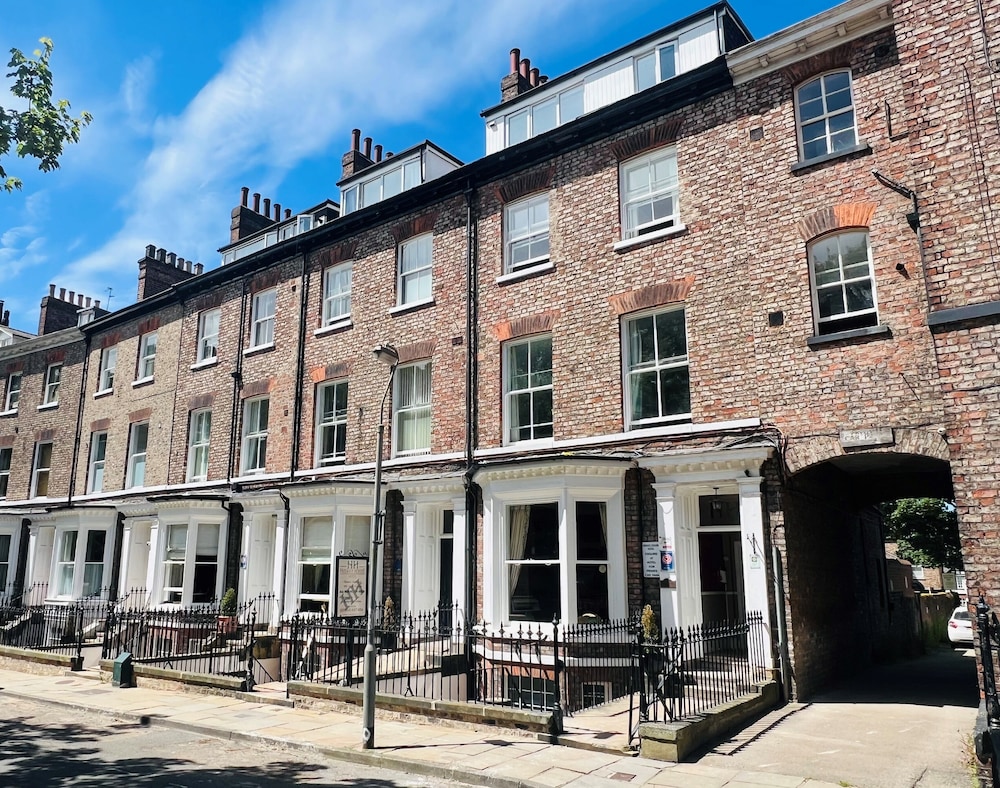
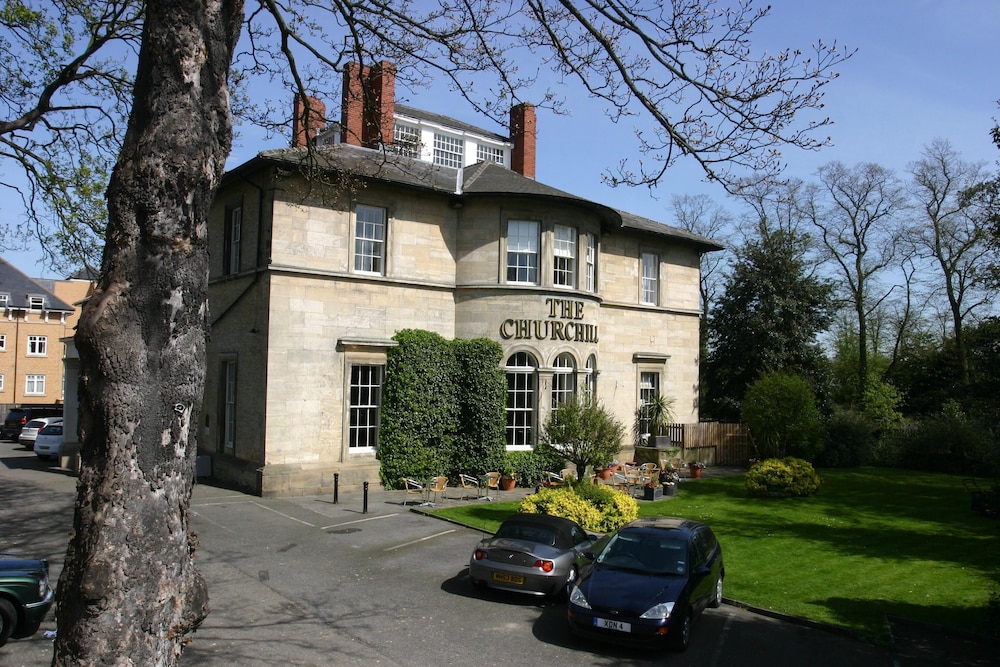
The honest hierarchy runs like this. Purpose-built hotels on the ring roads and A1(M) corridor near York, Harrogate, Boroughbridge and Scarborough have properly designed accessible rooms, lifts, level parking a few metres from the door and typical rates of roughly £70 to £120 a night. Larger spa and country-house properties often have one or two adapted rooms in a modern wing, at £150 upwards. Converted coaching inns in Helmsley, Pickering, Leyburn and Richmond frequently have no lift, narrow staircases and a step at the entrance, however charming the photographs are.
Self-catering is the sleeper option. Barn conversions across Wensleydale and Ryedale increasingly advertise wet rooms, level thresholds and profiling beds, and a well-adapted cottage beats a compromised hotel room for a week. Ask five specific questions before booking anywhere: the clear door width to bedroom and bathroom, whether the shower is level access or over a bath, whether there is a step at any external door, the surface and distance from parking, and whether a hoist can be brought in. Vague reassurance is a warning sign; a property that answers precisely has thought about it.
Before you book
The questions people ask about York, answered with this month’s numbers.
York, comfortably. It is flat, compact, has a fully step-free mainline station with lifts, the widest choice of accessible hotel rooms, and level bus links out to Malton, Pickering and Whitby. Scarborough is the coastal alternative, with a long level promenade on South Bay, though its cliff-side upper town is steep.
Some resorts on this coast operate beach wheelchair or accessible beach hut schemes, typically seasonal and free or low cost, but availability varies year to year and by beach. Contact the relevant council or the local tourist information centre in advance rather than turning up expecting one, and book ahead in July and August.
No. Every access point on the walls is reached by stone stairs, there are no lifts, and the walkway itself is narrow and uneven. The compensating route is the level riverside path along the Ouse and the flat streets inside the walls, which give plenty of the same medieval townscape without the climb.
The North Yorkshire Moors Railway does provide adapted accommodation on certain services between Pickering, Levisham, Goathland and Grosmont, but spaces are limited and heritage stations have uneven surfaces. Book directly with the railway well ahead, confirm which trains carry the adapted coach, and check platform arrangements at your intended boarding station.