Cycle-friendly hotels in North Yorkshire
 Road bikes stored in a locked stone outbuilding at a Yorkshire Dales inn
Nine bases for riders across the Dales, the Moors, the Way of the Roses and the coast, ranked on secure storage, drying space, early breakfasts and how brutal the climb out of the car park is.
What cycle-friendly should mean before you book
Four things separate a genuinely cycle-friendly hotel from one that says yes and then points at a hedge. A lockable indoor space that is not the guest lounge. A drying room or at least a boiler cupboard for kit. Breakfast that starts by 7.30am, or a flask and a bacon roll if it does not. And a jet wash or an outside tap and hose, which after a February ride down Coverdale is worth more than a turndown chocolate. Ask about all four by phone. Booking sites list none of them accurately.
The county's cycling identity is not marketing. The 2014 Grand Depart ran a stage through Wensleydale and over Buttertubs, and Harrogate hosted the road world championships in 2019, and the legacy is visible in painted bikes on gable ends and in hotel owners who understand a 6am start. That said, the amenity is unevenly spread: superb in Wensleydale, Wharfedale and around Sutton Bank, thin in York's city centre, and patchy on the coast outside Scarborough. Pick the base for the riding first, then filter for storage.
1. Hawes and upper Wensleydale: the best road base in England
If you ride for the climbs, book Hawes. From one car park you can reach Buttertubs Pass to Thwaite, Fleet Moss over to Wharfedale at nearly 1,900 feet, and the long drag up to Widdale. The inns and small hotels around the market place and out towards Gayle run at £100 to £165 with breakfast, and most have converted a stable or outbuilding into bike storage. The Wensleydale Creamery is a five-minute spin for post-ride calories. Dinner needs booking by six, because the kitchens here close early even in August.
The honest catch is that everything starts with a climb, mobile signal is poor, and a wet week in the upper dale is genuinely grim. Bainbridge and Askrigg, both under five miles east, are slightly cheaper at £95 to £140 and put you at the foot of the Askrigg-to-Swaledale climbs instead. Leyburn is the compromise: more shops, more choice of beds, flatter first ten miles. If you have one weekend and want the postcard ride, take Hawes and do Buttertubs, Swaledale and back over the tops.
2-3. Grassington, Skipton and the Wharfedale approach
Grassington is the pretty base for Wharfedale and Malhamdale: cobbled square, £110 to £180 rooms in inns and small hotels, and a straight run up the dale to Kettlewell and over Park Rash if you want a leg-breaker. Storage tends to be a shed or a boot room rather than a purpose-built cage, and the village fills in summer. It is the right choice if the trip is two riders and a partner who wants a tea shop, and the wrong one if you need a 7am breakfast on a Sunday.
Skipton is the practical alternative and my value pick. Rooms off Keighley Road and near the canal basin run £90 to £150, there are two decent bike shops in town for a spare tub or a rear mech hanger, the railway station connects to Leeds for one-way rides, and you can be in Malhamdale in half an hour. It is less charming and the first five miles are traffic. Skip Ilkley-side bases if you want the Dales proper; you spend too much of the morning on the A65 corridor.
4. Settle and Ingleton for the Three Peaks and the viaduct loop
Settle sits on the Way of the Roses coast-to-coast and at the foot of the classic Ribblehead loop, which is why its inns and guesthouses are so used to bikes. £85 to £145 for a room, and several places will store bikes indoors and do an early breakfast because they also serve the Three Peaks walkers. The Settle-Carlisle railway lets you cheat one direction with a bike reservation, which is the best trick in the county for a headwind day. Book the train space in advance and verify the current cycle-carriage rules with the operator.
Ingleton is the harder, quieter option: fewer beds, £80 to £135, and instant access to the climbs around Ingleborough and White Scar Cave plus a run over to Dentdale. It suits mixed groups because the waterfalls trail entertains non-riders for a morning. The catch in both towns is weather. This is the wettest corner of the county, and a drying room is not a luxury here. If your hotel cannot dry kit overnight, take Settle over Ingleton, where more of the stock has one.
5-6. Sutton Bank, Helmsley and Dalby: the mountain bike side
For off-road, the county splits into two hubs. Dalby Forest, north of Pickering, has waymarked red and black trails and a skills area, and the beds are in Pickering, Thornton-le-Dale and the villages along the A170 at £90 to £150. Pickering also gives you the North Yorkshire Moors Railway terminus for a rest-day steam run to Grosmont. Ask specifically about a hose: forest mud in November will otherwise end up in the bathroom, which is how hotels stop being bike-friendly.
The Sutton Bank side, above Thirsk on the A170's one-in-four escarpment, has family-grade forest trails, hire bikes and the best views in the North York Moors from the top of the bank. Helmsley, six miles east, is the nicest base: a proper market square, £120 to £200 rooms, decent food, and the Cleveland Way starting from the church. Thirsk at the bottom is £20 to £40 cheaper but means climbing the bank every morning. Take Helmsley if the budget allows and Thirsk if it does not.
7-8. The Way of the Roses corridor and the coast
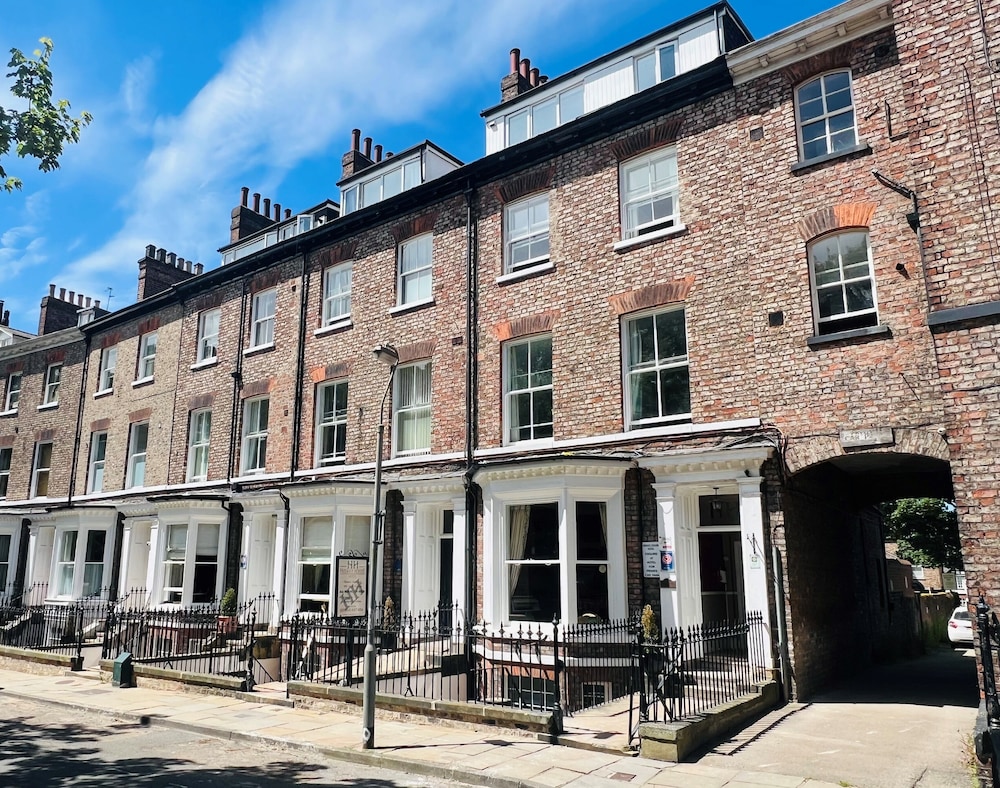
The Way of the Roses runs from Morecambe to Bridlington through Settle, Ripon and York, and the accommodation along it has adapted: guesthouses in Ripon and small hotels around York's Bootham and Micklegate that take a bike inside without fuss. Ripon at £95 to £150 is the natural end of the hard day, with the Market Place hornblower at nine to send you to bed. Book ahead in June and July; the route is busiest then and the single rooms go first. Baggage transfer along the route can be arranged with specialist operators.
On the coast, the Cinder Track between Scarborough and Whitby follows the old railway for about 21 miles of gravel and old ballast. It is not a road-bike surface in places. Scarborough's North Bay hotels at £85 to £160 have the parking and the storage; Whitby's West Cliff has the views and almost no off-street space. Ride it one way, take the bus back with the bike only if the operator permits it, and check that before you set out. Robin Hood's Bay is a lunch stop, not a base.
9. York, and what I would book
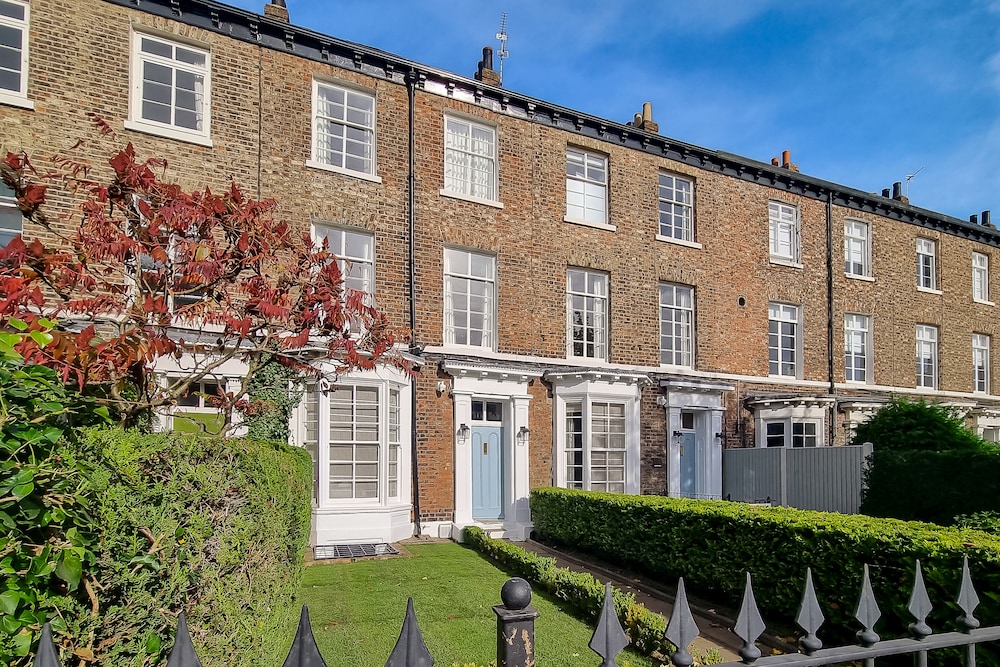
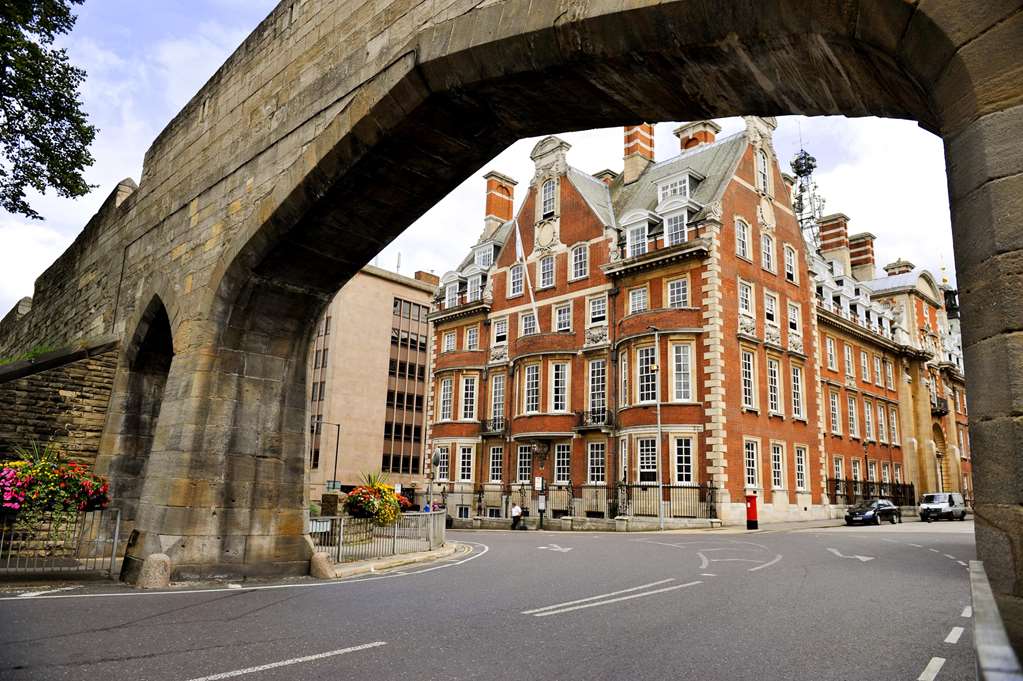
York is the weakest cycling base of the nine despite the flat lanes and the traffic-free path to Selby on the old railway line. City-centre hotels inside the walls rarely have anywhere to put a bike beyond your bedroom, and the ring-road chains that do have space are dull and hemmed in by dual carriageway. If you want a York night, take a Bootham or Fulford property with a car park, budget £120 to £220, ride out to Sheriff Hutton or the Howardian Hills, and treat the city as a rest day.
The booking I would make: three nights in Hawes with rides over Buttertubs, up Fleet Moss and out to Reeth, then two nights in Helmsley for the Moors and Sutton Bank, driving the A684 and A19 between the two in about an hour and a half. Around £550 to £800 for a couple, before dinners. Confirm storage, drying and a 7.30am breakfast in writing at both. And bring a 32-tooth sprocket; the Dales gradients are steeper than the profiles suggest.
Before you book
The questions people ask about York, answered with this month’s numbers.
Hawes. Buttertubs Pass, Fleet Moss and the Swaledale loop all start within a few miles, and the inns are set up for early breakfasts and indoor storage at roughly £100 to £165 a night. The trade-offs are weak mobile signal, early kitchen closing and the fact that every ride begins uphill.
Space is limited and often needs reserving, particularly on the Settle-Carlisle line and services into York and Leeds. Local Northern services usually take two bikes, first come first served. Rules and reservation windows change, so check with the train operator before you plan a one-way ride and turn up early.
Not really. It is about 21 miles of old railway trackbed with sections of loose ballast, mud and gates. Gravel tyres of 35mm or wider, or a hybrid, make it enjoyable. The road alternative on the A171 is fast but exposed and carries heavy summer traffic, so pick according to your tyres.