Getting around North Yorkshire without a car
 A local train crossing a stone viaduct in the Yorkshire Dales
An honest map of the county's trains, buses and walking links, covering the four rail lines and two bus networks that make a car-free week possible across 8,000 square kilometres.
The realistic verdict
A car-free trip to North Yorkshire works well if you base yourself in towns on the rail network and accept that some of the best landscape is reachable only on foot, by bike or by a bus that runs three times a day. It fails if you try to replicate a driving itinerary. The county is roughly 8,000 square kilometres of mostly rural land with a small number of good transport corridors, and the trick is to choose two or three bases on those corridors rather than one central base you commute from.
The corridors are: the East Coast Main Line through York, Thirsk and Northallerton; the York-Scarborough line; the Esk Valley line from Middlesbrough to Whitby; the Leeds-Harrogate-Knaresborough-York line; the Settle-Carlisle line through the western Dales; and the Yorkshire Coastliner bus from Leeds through York and Malton to Pickering, Whitby and Scarborough. Everything else is supplementary. Fares and timetables change regularly, so confirm with the operators before you travel rather than relying on any published summary.
Trains: the four lines that matter
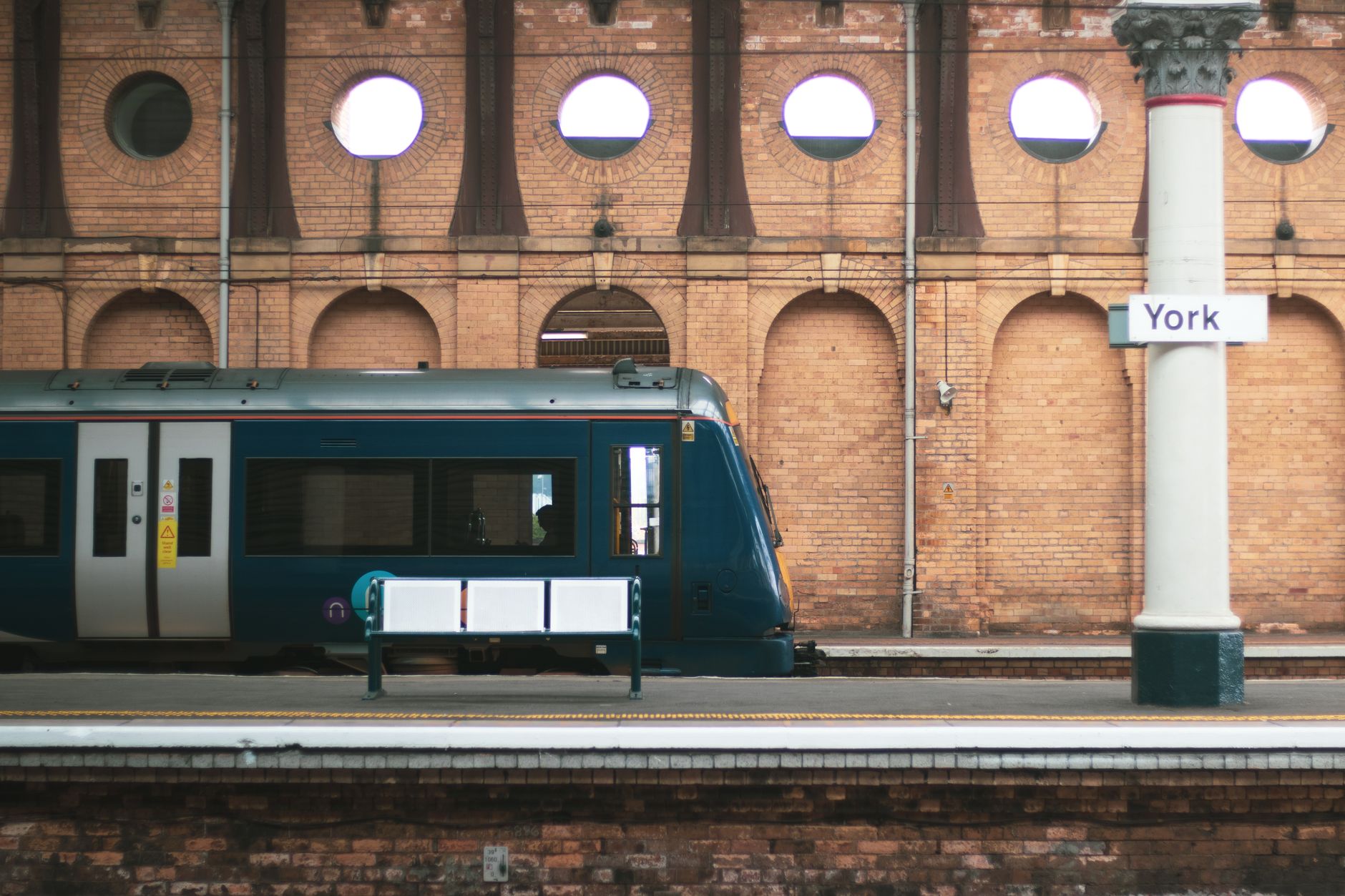
York is the hub, roughly two hours from London King's Cross and 25 minutes from Leeds, with fast services north to Northallerton, Darlington and Edinburgh. From York, Northern runs east to Malton, Seamer and Scarborough in under an hour, which is the easiest coastal day trip in the county. The Harrogate line loops Leeds to York via Harrogate and Knaresborough, giving you two of the best small-town bases without a car, with journeys of around 35 minutes from Leeds to Harrogate and a very pretty crossing of the Nidd viaduct at Knaresborough.
The Esk Valley line from Middlesbrough to Whitby is the sleeper: a slow, scenic run of about an hour and a half through Danby, Egton Bridge, Grosmont and Ruswarp, with only a handful of trains a day, so plan around the timetable rather than turning up. And the Settle-Carlisle line, 73 miles of Victorian engineering with the 24-arch Ribblehead Viaduct at its centre, serves Settle, Horton-in-Ribblesdale, Ribblehead, Dent and Garsdale, putting the Three Peaks within reach of a station platform.
Buses: Coastliner, DalesBus and the market-town network
The Yorkshire Coastliner routes are the county's most useful visitor buses, running from Leeds via Tadcaster, York and Malton to Pickering and Whitby, or to Scarborough, on double-deckers with high seats and, on the Whitby run, a genuinely spectacular crossing of the moors over the Hole of Horcum. Day tickets are available and usually pay off. Frequencies are decent by rural standards but thin on Sundays in winter; check the current timetable with the operator.
DalesBus provides weekend and seasonal services into Wharfedale, Wensleydale, Nidderdale and around Skipton and Settle, and is how most car-free walkers reach Malham, Grassington, Kettlewell and Hawes. Moorsbus runs limited seasonal services on the North York Moors. Both networks depend on funding and volunteer support and change from year to year, so treat any timetable you find online as provisional and verify. Elsewhere, commercial routes link Harrogate, Ripon and Leeds, and market towns like Northallerton, Bedale and Leyburn have workmanlike but infrequent connections.
Heritage railways that double as transport
The North Yorkshire Moors Railway runs from Pickering through Levisham, Goathland and Grosmont, with many services continuing on to Whitby, which makes it a genuine transport link as well as a day out. It connects with the Esk Valley line at Grosmont. Fares are tourist-priced rather than bus-priced, and the timetable is seasonal, so check with the railway. Combining a Coastliner bus to Pickering with a steam train to Whitby is one of the best car-free days available anywhere in northern England.
The Wensleydale Railway operates between Leeming Bar and Redmire, near Castle Bolton, on a heritage basis with limited running days, and the Embsay and Bolton Abbey Steam Railway links Embsay near Skipton with the Bolton Abbey estate. Neither is a reliable daily connection, but both convert a station arrival into a proper day out. Check current operating days with each railway, as heritage lines vary their schedules considerably through the year.
Best car-free bases, ranked
York first: main-line station, everything walkable, park and ride buses if you later hire a car, and day trips by train to Scarborough, Malton, Harrogate and Knaresborough. Second, Whitby: rail connection north, Coastliner buses south and west, steam railway inland, and cliff walks in both directions on foot. Third, Harrogate: frequent trains to Leeds, Knaresborough and York, a compact centre, the Stray and Harlow Carr walkable, and good bus links to Ripon and Fountains Abbey.
Fourth, Settle: the Settle-Carlisle line puts Ribblehead, Horton and Dent on a platform, Malham is reachable by weekend DalesBus, and the town itself is a working market town with a Tuesday market. Fifth, Richmond, which has no railway but a decent bus link from Darlington station and Swaledale walking at the door. Skip trying to base car-free in Helmsley, Pateley Bridge, Reeth or Hawes for a whole week; all four are lovely and all four leave you dependent on a handful of buses.
Walking, cycling and the paths that link towns
Long-distance paths do a lot of the connecting work here. The Cleveland Way runs 109 miles from Helmsley around the Moors escarpment and down the coast through Staithes, Whitby, Robin Hood's Bay, Scarborough and Filey, and long stretches of it link places with bus stops at both ends, which is the ideal structure for a car-free walking week. The Coast to Coast route crosses the county through Richmond, and the Dales Way follows Wharfedale.
For cycling, the Cinder Track between Whitby and Scarborough follows the old railway for 21 traffic-free miles and is the best family ride in the county, though surfaces are rough in places. Hire is available in Whitby, Scarborough, Dalby Forest and several Dales towns at roughly £25-40 a day. Note that bike carriage on rural trains is limited and often needs reservation; check with the operator, particularly on the Esk Valley and Settle-Carlisle lines at weekends.
Taxis, tickets and the practical rules
Rural taxis exist but are not hailed; they are booked, often hours ahead, and in Dales villages there may be one operator covering a wide area. Ride-hailing apps work in York and Harrogate and are unreliable or absent elsewhere. Budget £25-45 for a village-to-station run of ten to fifteen miles, and always book the return leg in advance if you are walking a linear route. Ask your accommodation for the local number when you book; they will know who actually turns up.
On tickets: buy train advance singles as early as you can, since walk-up fares on the main line are much higher. Bus day and multi-journey tickets usually beat singles if you make more than two trips. National rules on bus fare capping have changed repeatedly in recent years, so check the current position with the operator rather than assuming. And build slack into every plan: a missed rural bus in Wensleydale can mean four hours, not forty minutes.
Before you book
The questions people ask about York, answered with this month’s numbers.
Yes, via the Settle-Carlisle line to Settle, Horton-in-Ribblesdale, Ribblehead and Dent, and via weekend and seasonal DalesBus services into Wharfedale, Wensleydale and Nidderdale. Skipton and Settle are the strongest bases. Verify DalesBus timetables directly, as services vary by season and year.
Coastliner bus from York to Pickering, then the North Yorkshire Moors Railway steam service through Goathland and Grosmont to Whitby, with fish and chips on the harbour and a train or bus back. Check both timetables in advance; the railway runs a seasonal schedule.
Often not. Many rural bus routes run reduced Sunday timetables or none at all in winter, and some heritage railways operate only on selected days. Plan Sundays around a town you can walk in, or a linear walk between two places with confirmed return transport.