A dark skies weekend in North Yorkshire: two nights of stargazing, hour by hour
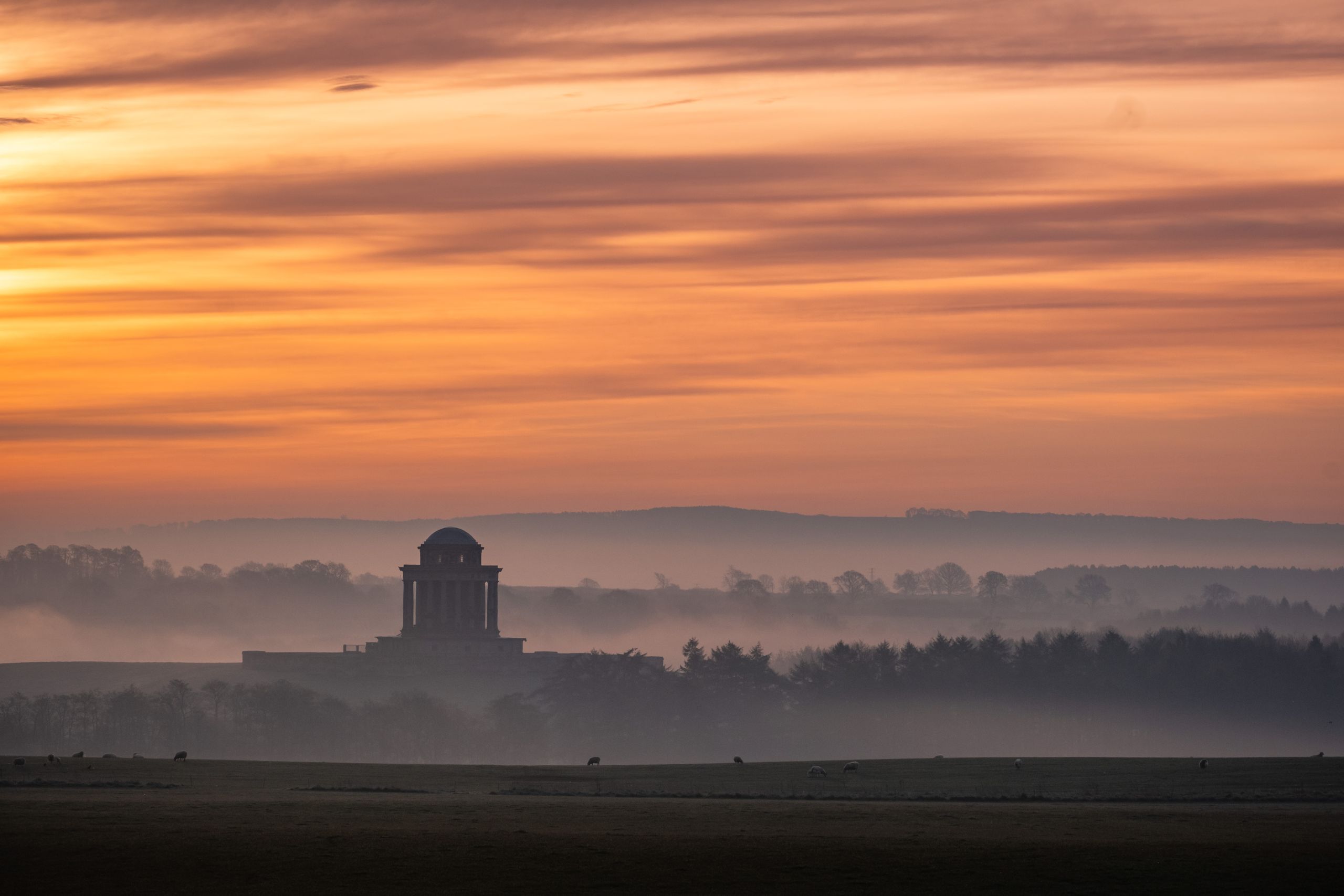 The Milky Way arching over a moorland stone cross on a clear night in North Yorkshire
Two International Dark Sky Reserves, four official discovery sites and a Friday-to-Sunday plan built around moon phase, cloud cover and where to sleep within 15 minutes of a dark car park.
Why the county goes properly dark, and when to come
Both of North Yorkshire's national parks — the North York Moors and the Yorkshire Dales — were designated International Dark Sky Reserves in December 2020, and between them they cover a large share of the darkest skies in England. The physics is simple: high, empty moorland with no towns on it, sitting far enough from Teesside, Leeds and York for their light domes to stay low on the horizon. On the best nights on Blakey Ridge or above Malham you can see the Milky Way as a textured band rather than a smudge, plus the Andromeda Galaxy with the naked eye.
Timing beats location. You want a new moon or a thin crescent, a clear forecast, and a month with real darkness — from late September to March, astronomical night lasts long enough to be out by 20:00. Midsummer is hopeless this far north: it never gets fully dark in June. February is the classic month because the Dark Skies Festival programme has traditionally run across the half-term period in both national parks, with telescope events, guided walks and talks; check the current dates and booking arrangements with the national park authorities before planning around it.
Friday, 16:00-19:00: arrive at Sutton Bank and eat before dark
Aim to reach the Sutton Bank National Park Centre, on the A170 west of Helmsley, before sunset. The escarpment gives you a west-facing viewpoint over the Vale of York for the last of the light, plus a café, toilets and a large car park that doubles as one of the moors' designated dark sky discovery sites. Walk ten minutes south along the Cleveland Way to the Kilburn White Horse viewpoint for the sunset, then come back and eat — either in the centre if it is still serving, or in Helmsley or Thirsk, both about 15 minutes away.
The practical point about eating early is that rural kitchens here stop at 20:30 and you do not want to be choosing between dinner and the darkest two hours of the night. Fill a flask while you are at it. Car park access and any overnight charges vary by site and season, so confirm the arrangements at Sutton Bank with the National Park before you plan to sit there at midnight — some sites operate barriers, and a locked gate at 23:00 is a bad discovery to make from the inside.
Friday, 20:00-23:30: first night under the Hambleton sky
Give your eyes 25 minutes with no white light at all before you judge the sky — that is the single biggest improvement most people can make, and it costs nothing. Use a red torch, or red cellophane over a phone light, and turn the phone screen brightness down or off. Looking east and north from Sutton Bank in autumn you get Cassiopeia's W high overhead, the Andromeda Galaxy as a faint oval smudge a couple of degrees off it, and the Perseus double cluster between them. Binoculars — any 8x42 or 10x50 pair — will show more than a cheap telescope.
Dress far more warmly than the temperature suggests. Standing still on an escarpment at 300m in November means a wind chill several degrees below the valley reading, and 0 to -3°C on the tops is routine from December to March. Insulated boots, a hat, gloves you can operate a camera in, and a folding chair make the difference between two hours out and twenty minutes. If cloud rolls in, drive 20 minutes east: local weather on the moors is genuinely patchy and a clear window at Helmsley often means murk at Osmotherley, or the reverse.
Night one: where to sleep within 15 minutes of the dark
The rule is to sleep inland and small. Helmsley is the best-equipped base for this first night: market-square coaching inns at roughly £120-190 a night for two with breakfast, restaurants that will feed you at 19:00, and a 12-minute drive back up to Sutton Bank. Thirsk, at the bottom of the bank, is cheaper at £85-130 and has the advantage of a station on the Northallerton line, but the climb back up the 1-in-4 in ice is not the drive you want at midnight in January.
For something quieter, the villages under the escarpment — Kilburn, Coxwold, Ampleforth, Hawnby — have pub rooms and farmhouse B&Bs at £90-140 and skies almost as good as the official site, which means you can step outside your own door and look up. That is worth more than any facility. Whatever you book, check whether there is external lighting on the car park; a security floodlight triggered every time you move is the enemy of dark adaptation and is surprisingly common at rural inns.
Saturday: daylight in Ryedale, then the Dalby astronomy field
Sleep in. Stargazing weekends fail when people try to keep normal hours as well as night hours. Spend the middle of the day on the daylight sights within half an hour: Rievaulx Abbey in its wooded valley, Byland Abbey's broken rose window, or the Ryedale Folk Museum at Hutton-le-Hole. Eat a proper meal around 15:00 rather than a late dinner, then drive to Dalby Forest off the A170 near Thornton-le-Dale, where Forestry England charges a vehicle toll in the region of £12 a day — check whether evening and astronomy-session rates apply.
Dalby has a dedicated astronomy field with a hard-standing area away from the trees, used for public observing events run with local astronomical societies through the winter. Even without an event, the site is the best in the eastern moors for a group: level ground, room to set up a telescope, and the tree line blocking stray light from the coast. Confirm the forest's evening access arrangements in advance, since the toll road has gates and opening hours vary by season. Arrive before full dark to get set up while you can still see your kit.
Saturday night onwards: Danby, Blakey Ridge and the Dales alternative
If Dalby is clouded, the fallback is the high moor. The Danby Lodge National Park Centre in the Esk Valley is another designated discovery site, and the roadside parking on Blakey Ridge near Ralph Cross puts you at 400m with almost nothing between you and the North Sea. Sleep at Pickering (£95-150), Thornton-le-Dale (£90-130) or Rosedale Abbey (£100-150) — the last of these is a hamlet in a hollow with barely a streetlight and puts you five minutes from the ridge. The pub at Blakey has rooms and is the highest bed on the moors.
The Dales version of this weekend swaps east for west and is arguably darker. Discovery sites there include the car parks at Malham, Buckden and Hawes, and the Tan Hill Inn — Britain's highest pub at 1,732ft, up an unlit moor road above Swaledale, where the sky is as good as anywhere in England. Sleep at Hawes (£95-150), Grassington (£100-160) or Kettlewell (£90-140). The catch is winter road access: the tops above Swaledale and Wharfedale close in snow, sometimes without warning, so check conditions before committing.
Kit, apps and the mistakes that ruin a clear night
Take: binoculars, a red head torch, two more layers than feel necessary, a thermos, a foam mat or chair, and a paper star chart or an offline planetarium app such as Stellarium. Leave the telescope at home for a first trip unless you already know how to align it in the dark and cold. For forecasting, a dedicated astronomy cloud forecast is more useful than a general weather app, because what matters is high cloud and transparency rather than rain. Check the moon phase first — a full moon washes out the Milky Way entirely, whatever the reserve designation says.
Four mistakes recur. Driving with headlights straight into a group's viewing area, which resets everyone's night vision for 20 minutes — park facing away and use sidelights on approach. Bringing a white torch. Underestimating cold and leaving after 40 minutes. And building the whole weekend around one night: with English weather, two nights roughly doubles your odds of one clear sky, which is why this is a Friday-to-Sunday plan rather than an overnight. Aurora is occasionally visible at this latitude during strong geomagnetic storms, but treat any sighting as a bonus, never a plan.
Before you book
The questions people ask about York, answered with this month’s numbers.
Late September through March. This far north, June and July never reach astronomical darkness at all. October to February combine long nights with reasonable road access, though the high moor roads can close in snow. Pick a date within three or four days of a new moon and keep a second weekend in reserve for cloud.
Do not assume so. Most national park and Forestry England car parks have stated opening hours, charges and, in some cases, barriers or height restrictions, and overnight sleeping is generally not permitted. Check the specific site's rules with the National Park Authority or Forestry England, and book a bed rather than improvising.
No. A pair of 10x50 binoculars will show the Andromeda Galaxy, the Pleiades, the Orion Nebula and dozens of star clusters, and they need no setup in the cold. Telescope events run by local astronomical societies during the national parks' winter programmes let you look through good instruments without owning one.
The upper Dales around Tan Hill, Buckden and Malham edge it for sheer darkness, being further from any large town. The North York Moors offer easier access, more facilities at Sutton Bank, Danby and Dalby, and a better-organised programme of public events. For a first trip with a car, the moors are the simpler choice.