The quietest weeks in North Yorkshire: January and February deals and closures
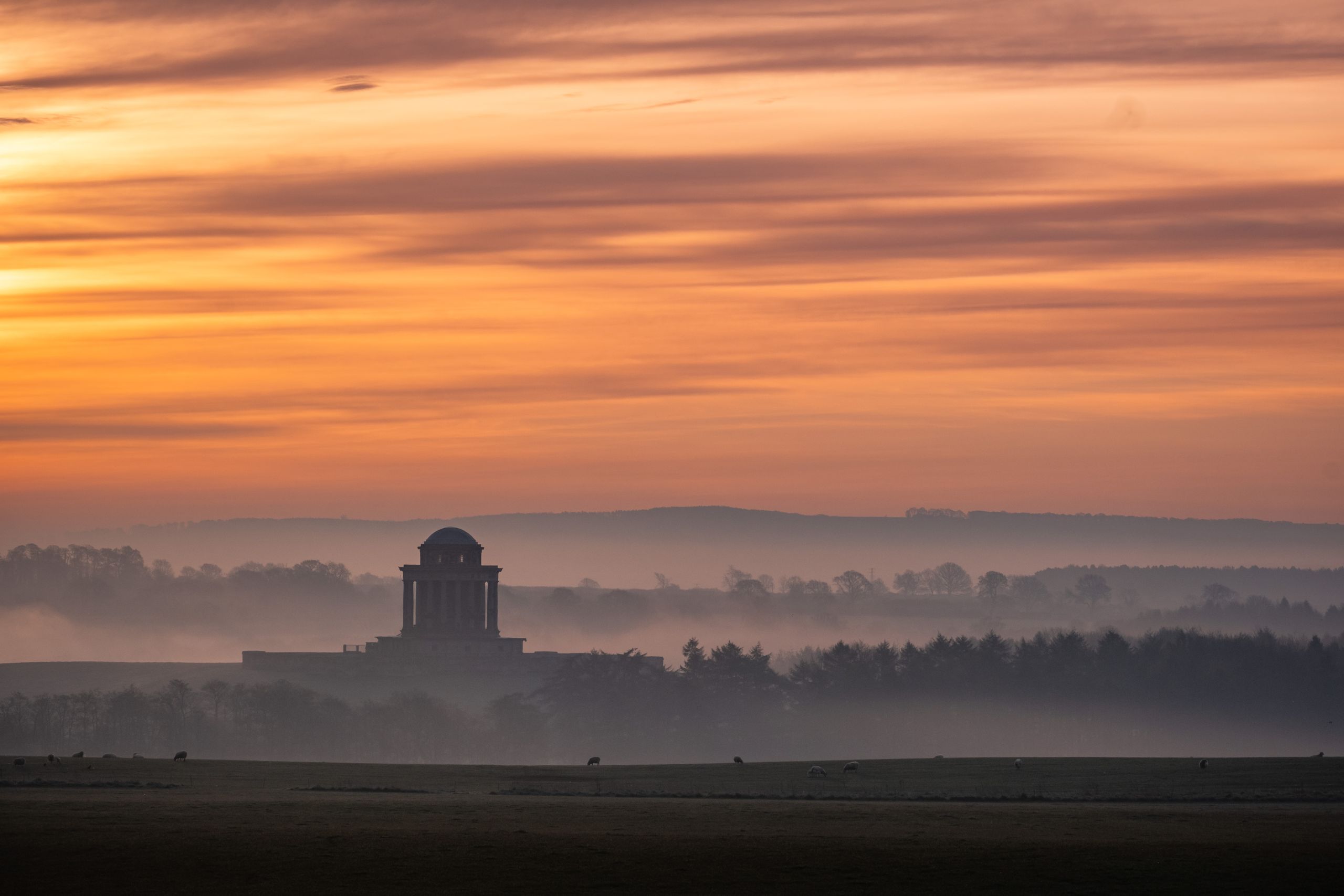 Frost on the ruined arches of a Yorkshire abbey under a low winter sun
For about seven weeks the county sells rooms at half its August rate, but roughly a third of its paid attractions are shut, so the trip only works if you plan around the right eight things.
What a room actually costs in the dead weeks
From 2 January to the middle of February, prices sit at their annual floor. York inside the walls goes for £75-110 midweek and £95-135 on a Saturday, against £140-190 in summer. Harrogate runs £70-100 outside its trade-fair weeks. Whitby and Scarborough, where perhaps half the guesthouses stay open, drop to £60-85. Dales inns at Settle, Grassington and Hawes ask £90-120, usually with dinner available on site because there is nowhere else to go. Spa hotels around Ripon and the Howardian Hills discount hardest, since a midweek pool in February is a hard sell.
Two exceptions break the pattern. Valentine's weekend prices like a summer Saturday everywhere with a hot tub or a tasting menu, up £50-70 a night, and February half-term lifts family rooms in York and around the Moors by £30-40. Beyond those, the negotiating position is yours. Ask directly about a third night free, an upgraded room, or dinner included; independent hotels in a mid-January week will often say yes to something rather than sell an empty room. Rates quoted online in this window are frequently not the best available.
The Harrogate exception nobody warns you about
Harrogate does not have a quiet January. The Convention Centre and the showground host a large Christmas and gift trade fair in the middle of the month that fills every hotel bed in the town and pushes spillover demand out to Knaresborough, Ripon, Wetherby and even York. Rates that would be £80 jump to £160-220, minimum stays appear, and restaurant tables vanish. Other trade events follow through late winter. If your reason for visiting Harrogate is the Turkish baths, Bettys or the Valley Gardens, check the Convention Centre's published event calendar before you fix a date.
The same logic applies in miniature elsewhere. Northallerton and Thirsk see county-business and racing-industry demand, and Catterick's jump racing fixtures fill rooms in Richmond and Leyburn on winter Saturdays. Ripon's cathedral events and York's occasional conference weeks do the same. None of these is a tourist crowd, so the towns still feel quiet; the beds simply are not there. The workaround is to check one event calendar for the town you want, then pick your midweek dates around it — which in a low season with plenty of choice costs you nothing.
What is genuinely shut
The seasonal machinery stops. The North Yorkshire Moors Railway's main timetable does not run in deep winter, Flamingo Land at Malton and the Forbidden Corner near Middleham close for the season, coastal boat trips from Whitby and Scarborough stop, Peasholm Park's summer entertainments are dormant, and Bolton Castle and several smaller Dales attractions shut until spring. Many English Heritage and National Trust properties move to reduced winter opening, often weekends only, and some close their houses while keeping grounds open. Every one of these varies, so check the operator's own website before travelling; do not rely on a third-party listing.
Food is the other closure to plan for. A significant number of independent restaurants and village pubs take a two- or three-week break in January, and plenty of those that stay open close Monday and Tuesday through the winter. In Robin Hood's Bay, Staithes, Reeth and the smaller Dales villages that can mean nothing serving food within five miles on a Tuesday night. Before booking a rural room, confirm it serves dinner, or identify two open alternatives within a short drive and ring them. This is the single most common way a cheap winter trip goes wrong.
What is better in winter than in summer
Fountains Abbey and Studley Royal on a hard frost morning, with mist on the water garden and the deer herd in the park, beats the same site in July by a distance, and you will share it with a handful of people. Whitby Abbey on a clear January afternoon, with the harbour below and no queue on the 199 steps, is the version worth seeing. York's Shambles at 9am in February is a street rather than a scrum. Rievaulx in Ryedale in low sun is extraordinary — check its winter days, as it may open weekends only.
Water is the other winter argument. Ingleton's waterfalls trail, Aysgarth, Hardraw Force near Hawes and Thomason Foss on the Moors run full and loud after winter rain, when in August they are a trickle over rock. Janet's Foss and Gordale Scar above Malham are at their best in the same conditions. Go after two wet days, wear boots with real grip because the paths are slick, and check whether the trail is open and what it charges — Ingleton's privately run trail has an admission fee and can close in high water.
Wildlife, light and the winter coast
The coast pays off in winter for reasons that have nothing to do with beaches. Grey seals haul out along the rocky stretches near Ravenscar, and the cliff walk from Ravenscar down towards the old alum works is empty in January. Whitby's harbour in a north-easterly, with the swell breaking over the piers, is the most dramatic free spectacle in the county. Filey Brigg holds waders and the odd purple sandpiper on winter tides. Dress for wind chill: the thermometer reads 6-8C and the exposed clifftop feels like freezing.
Inland, the Vale of York's flooded ings pull in big flocks of wildfowl, and the Ouse ings between York and Selby are worth an hour with binoculars. Light is the constraint and the gift. Sunrise in mid-January is around 8.15am and sunset near 4.15pm, giving barely eight hours, but that low-angle light on limestone and moor is why photographers come now. Plan one substantial thing a day, be back at the car by 4pm, and build the evening around a fire and a long dinner rather than another site.
Mid-February: when the county wakes up
The change comes with York's Viking festival, held over a week in February and usually tied to half-term, which floods the city with combat displays, longship processions and a march to the Minster. It is the first genuinely busy week since Christmas and city rates rise £30-50, but it is also the moment the calendar restarts. Confirm the dates with Jorvik. Around the same point, some seasonal attractions open for half-term only before closing again until Easter — the Moors railway sometimes runs half-term services, and several Dales sites test the water.
Snowdrops are the quieter draw. The woodland at Fountains and Studley, the grounds at Nunnington and Castle Howard's walks near Malton, and churchyards across Ryedale carry serious displays from late January into February; several private gardens open for a fortnight under the National Garden Scheme. Check individual open days rather than turning up. This is also when hotels start pushing spring rates, so a booking made in the first half of February for a late-March stay catches the last of the winter pricing before the Easter block lands.
How to plan a winter trip that works
Base in a town, not a village. York, Harrogate, Skipton, Richmond, Malton and Whitby all have enough open restaurants, pubs and indoor attractions to absorb a wet day; Grassington, Reeth, Staithes and Robin Hood's Bay do not, however lovely they are at 3pm in the sun. From a town base you can drive out to the empty landscape and come back to somewhere that is functioning. Three nights is the right length: two full days out, one indoor day held in reserve for the weather, and no long transfers between bases.
Then check four things before you pay. Does the hotel serve dinner on the nights you are there. Is the one attraction you actually care about open on those dates, verified with the operator. Does the room have parking, since winter city parking is cheap but still £8-14 a day. And is there a weather escape — a pool, a spa, a cinema, a decent museum — within 20 minutes. Do that and January in North Yorkshire is the best-value week of the year rather than a gamble.
Before you book
The questions people ask about York, answered with this month’s numbers.
Roughly half the August rate. York inside the walls falls to £75-110 midweek from £140-190, Whitby guesthouses that stay open run £60-85, and Dales inns sit at £90-120 with dinner available. Independent hotels will often add a free night or dinner if you ask directly.
The steam railway's main timetable, Flamingo Land, the Forbidden Corner, Bolton Castle, coastal boat trips and several smaller Dales sites shut for the season, and many heritage properties move to weekend-only winter opening. Dates differ every year, so confirm directly with each operator rather than a listings site.
Not for the whole month. A large gift and Christmas trade fair takes over the Convention Centre and showground mid-month, filling beds in Harrogate and pushing rates to £160-220 with spillover into Knaresborough and Ripon. Check the Convention Centre's event calendar before fixing your dates.
In York, Malton and the coastal towns, rarely. On the high roads over the Moors and Dales it is a real risk from December to March. Stay in a valley town, check Met Office warnings and North Yorkshire Council gritting information, and keep the high passes as an optional extra.