Walker-friendly hotels with drying rooms in North Yorkshire
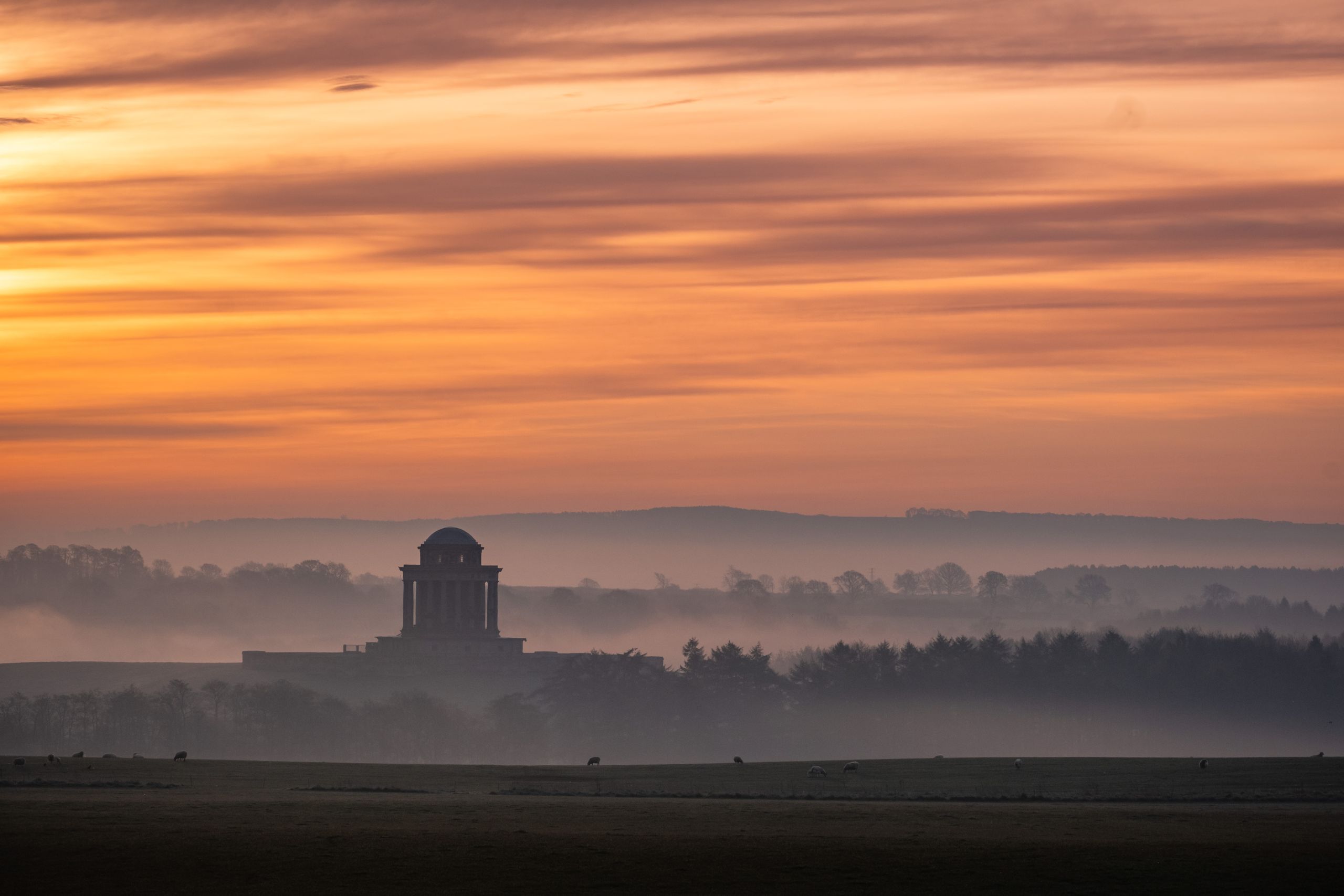 Boots and waterproofs hanging in a hotel drying room in the Yorkshire Dales
Ten bases for the Three Peaks, the Cleveland Way and the Coast to Coast, ranked on the things that actually matter after 20 miles: a hot drying room, breakfast before 8am and a packed lunch you did not have to make.
The five things that separate a walker's hotel from a hotel that tolerates walkers
A drying room is the headline, but the real test is whether it is heated and ventilated rather than a cold porch with hooks. A proper one dries boots overnight; a bad one returns them damp and smelling worse. After that, the list is short: breakfast served from 7am or earlier, a packed-lunch option ordered the night before, somewhere to leave a car for several days, and a landlord who will not blink at a soaked party arriving at 5pm. A boot store with a brush and hose outside the door tells you more about a place than any star rating.
Two more practicalities decide bookings on long-distance routes. Single-night stays are the norm on the Coast to Coast and the Cleveland Way, and some inns add a surcharge or refuse them on Saturdays, so book the whole itinerary in one sitting in winter for the following summer. And check whether the hotel accepts baggage transfer deliveries; the firms working the Dales and the Coast to Coast drop bags between 11am and 4pm, and a property with no reception until 6pm creates a problem. Confirm arrangements with the hotel and the transfer operator directly.
1 and 2: Horton-in-Ribblesdale and Settle for the Three Peaks
First for pure function is the cluster of inns and guesthouses at Horton-in-Ribblesdale, the traditional start and finish of the Yorkshire Three Peaks. Rooms are £95 to £150. Everything here is built around walkers: early breakfasts, huge portions, drying facilities, and parking you can leave for the twelve hours the 24-mile circuit takes most parties. The catch is that Horton is tiny, the pub can be packed with 200 people on a Saturday in June, and if you want a quiet evening or a choice of dinner, you will not find it. Book months ahead for summer weekends.
Second, Settle, four miles down the valley. This is the better base for anything longer than one day: a proper market town with a Tuesday market, several places to eat, a station on the Settle to Carlisle line and hotels around the Market Place and Duke Street charging £110 to £170. Drying provision is more variable than at Horton, so ask. The advantage is that on the day after the Three Peaks, when your legs refuse, Settle has cafes, a bookshop and a train that will take you up the line to Ribblehead viaduct without walking a step.
3 and 4: Ingleton and Grassington
Third, Ingleton, at the western end of the Three Peaks and the base for Whernside and the Waterfalls Trail, a paid circular route of around four and a half miles through gorges. Guesthouses and inns run £90 to £150 and mostly cater to walkers and cavers, which means genuine drying rooms and 7.30am breakfasts. Ingleton is unglamorous and the better for it. The trade-off is limited dinner choice midweek out of season, and a village that empties in November. It is also 15 miles from Settle over the moor, so pick one or the other rather than trying to combine them.
Fourth, Grassington, the honeypot of Wharfedale and a stop on the Dales Way. Hotels and inns off the cobbled square charge £120 to £190. The walking on the doorstep is superb: Grass Wood, the river to Burnsall, Malham a drive away. The honest catch is that Grassington is a visitor town first and a walkers' town second, so drying rooms are less universal than in Horton and prices carry a scenery premium. Book the inns rather than the boutique rooms if you want a landlord who understands mud. Parking in the village fills by 10am on summer weekends.
5 and 6: Hawes and Richmond, the Coast to Coast and Herriot Way axis
Fifth, Hawes in upper Wensleydale, where the Pennine Way passes through and the Herriot Way loops out to Swaledale. Rooms are £110 to £180. Hawes is a working market town with the Wensleydale Creamery, a Tuesday market and inns that have been drying walkers' kit for a century. It is also the best base for the high passes, with Buttertubs to the north and Fleet Moss to the south. The catch is weather: at 260 metres above sea level Hawes is genuinely cold, and roads over the tops close in snow, so a February booking is a gamble.
Sixth, Richmond, the natural rest-day town on the Coast to Coast. The cobbled Market Place, the castle keep above the Swale and hotels charging £110 to £180 make it the most rewarding place on the route to take a day off. Drying provision is decent in the walker-focused guesthouses on and around Frenchgate; less so in the smarter hotels. Richmond also has the transport to bail out, with buses to Darlington for the East Coast Main Line. Note that the Coast to Coast is being taken forward as a National Trail, so signage and facilities are changing; check Natural England for the current position.
7 and 8: Helmsley and the Cleveland Way escarpment villages
Seventh, Helmsley, where the Cleveland Way begins its 109-mile arc to Filey. The market square inns and hotels charge £130 to £200, which is Ryedale prices rather than Dales prices, and you get a better dinner for it. Ask about drying because several of the smarter places have none. Helmsley suits a walker who wants a soft first night: the castle, the walled garden, a good bakery and an easy first stage to Sutton Bank. Parking is metered in the square; hotels with their own yards are worth the extra £15 a night if you are leaving the car for a week.
Eighth, the villages under the Hambleton escarpment between Osmotherley and Sutton Bank, which serve both the Cleveland Way and the Coast to Coast. Inns here charge £100 to £160 and are properly walker-tuned: boot rooms, early food, packed lunches, and drying space because everyone arrives wet. The catch is isolation. There is little to do in the evening beyond eat and sleep, and bus services along the A19 corridor are limited. That is exactly right if you are walking through, and wrong if you wanted a base for driving around the moors.
9 and 10: the finishing towns, Robin Hood's Bay and Filey
Ninth, Robin Hood's Bay, where the Coast to Coast ends at the slipway. The guesthouses at the bottom of the bank charge £110 to £180 and understand the ritual: boots off, pint in hand, name in the book. The catch is the climb. You cannot drive down, the bank is brutally steep, and if you have walked 190 miles the last 200 metres uphill from the beach are the ones you will remember. Book the bottom of the village for the atmosphere and the top for the parking; both fill for weeks either side of the summer holidays.
Tenth, Filey, where the Cleveland Way and the Yorkshire Wolds Way both finish at the Brigg. Seafront hotels and Crescent guesthouses run £85 to £150, cheaper than anywhere else on this list, and the town is quiet and old-fashioned in the best way, with a five-mile beach you can walk at low tide. Drying rooms are patchy in the traditional guesthouses, so ask before booking. Filey has a station with services to Scarborough and Hull, which makes the end-of-walk logistics easier than Robin Hood's Bay, where you must bus to Whitby first.
Which to book, and what to skip
For the Three Peaks, book Horton if you want the classic start and Settle if you want a town. For a Dales walking week without a long-distance route, Hawes beats Grassington on drying rooms and high-ground access, and costs about the same. For the Cleveland Way, start at Helmsley and finish at Filey; for the Coast to Coast, treat Richmond as your rest day and book it first, because it is the hardest bed to get in August.
Skip two things. Skip smart country-house hotels for walking weeks: they charge £250 a night, keep breakfast until 9.30am and have nowhere to put wet gaiters. And skip booking a single base for the whole county, because Ingleton to Robin Hood's Bay is around 90 miles by road and three hours in summer traffic. Two bases, one west and one east, works far better. Confirm breakfast times, packed lunches and drying arrangements when you book, since these vary by season and by whoever is running the kitchen that month.
Before you book
The questions people ask about Settle, answered with this month’s numbers.
Most walker-focused inns in Horton-in-Ribblesdale, Hawes and Ingleton will, usually for around £8 to £12 a head, but they need the order the previous evening. Smarter hotels in Helmsley and Grassington often will not. Ask when booking rather than at breakfast on the morning.
Walker inns typically start between 7am and 8am, and some will do a flask and a bacon roll earlier by arrangement for Three Peaks starts. Country-house hotels commonly open at 8am on weekdays and later at weekends, which is too late for a 24-mile day.
Some inns allow it for the duration of a stay booked with them, often free, but many market-town hotels have limited yards and will refuse in summer. Agree it in writing before you travel, and have a paid long-stay car park identified as a backup.
Hawes. From upper Wensleydale you can reach Swaledale over Buttertubs, Ribblehead and Whernside westwards, and the Pennine Way in both directions on foot. Settle is the alternative if you want a railway station and more evening choice, at the cost of the highest ground.