York area guide for tourists: where to stay and what to skip
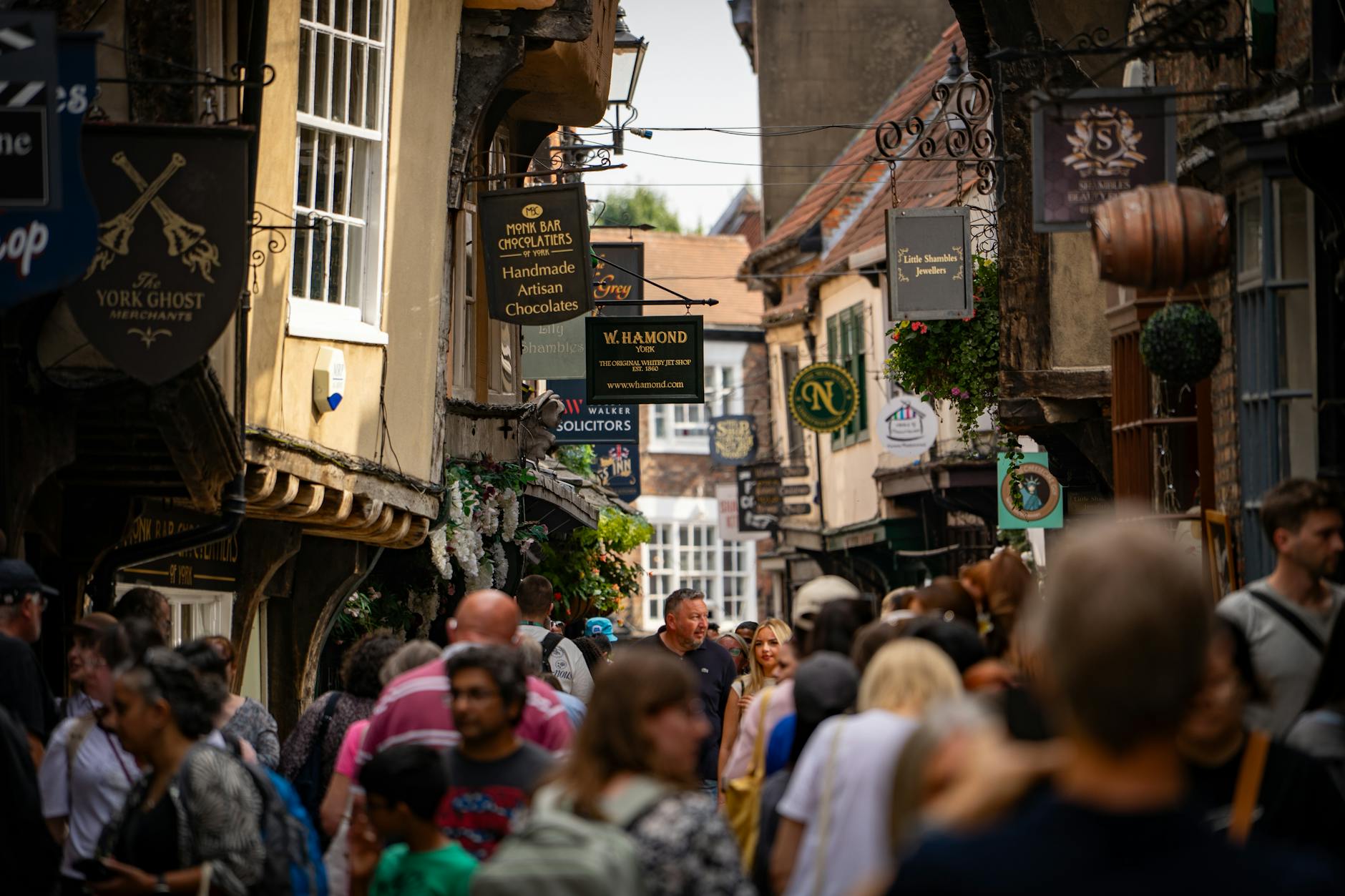 The Shambles in York with overhanging timber-framed upper floors
A neighbourhood-by-neighbourhood guide to England's best-preserved walled city, where central rooms run £160-230 and a mile out saves you £70 a night.
The shape of the city, in ten minutes
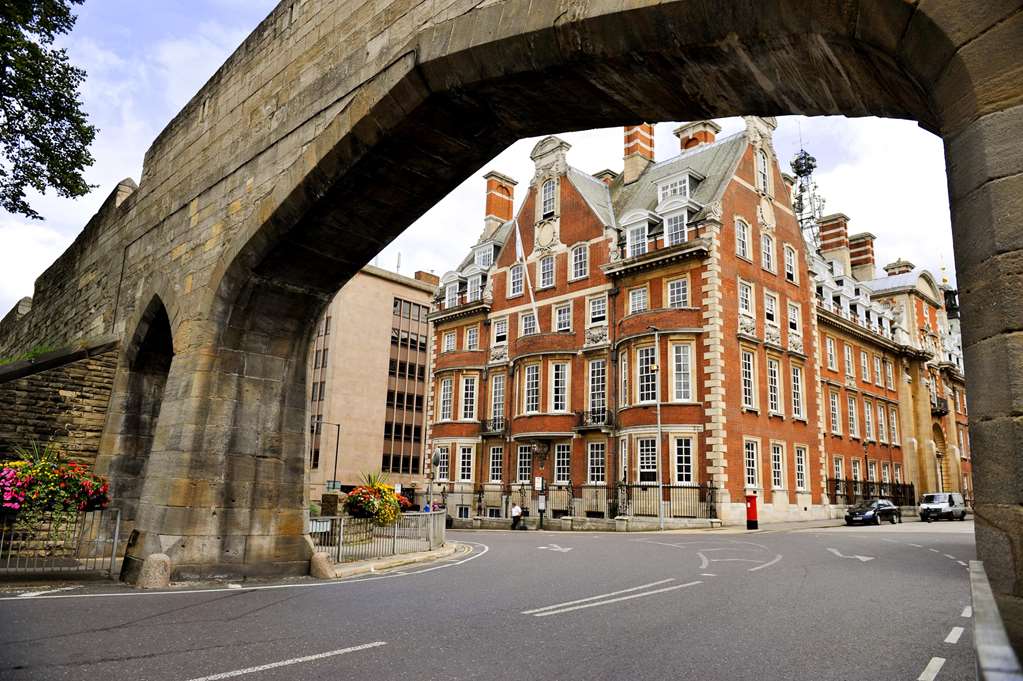
York is small, dense and almost entirely walkable. The medieval core sits inside 3.4km of city walls pierced by four main gates, called bars: Bootham Bar to the north-west, Monk Bar to the north-east, Walmgate Bar to the south-east and Micklegate Bar to the south-west. The Minster dominates the northern half, the Shambles and the market sit in the middle, and the Ouse cuts through diagonally with the Foss joining it near Castle Mills. From the Minster to the station is a twelve-minute walk. Almost nothing worth seeing is more than fifteen minutes from anything else.
That compactness is the whole argument for staying inside or immediately outside the walls, and it is why prices there hold. Walk the walls themselves as your first act in the city: the circuit takes around two hours with stops, is free, and gives you the geography plus the best views of the Minster from the Bootham to Monk Bar stretch. Sections close at dusk and in bad weather, so check signage. Do it early, before the Shambles fills up around ten.
Inside the walls: what you pay for
The historic centre holds the Minster quarter around Petergate and Stonegate, the market area around Parliament Street and the Shambles, and the older commercial streets of Fossgate and Walmgate to the south-east. Hotels here are a mix of converted Georgian townhouses, small boutique conversions and a handful of large properties, and rates run £160-230 a night in season, rising sharply for race weekends and the run-up to Christmas. Almost none have parking; expect £15-25 a day in a public car park.
What you buy is evenings. York after 6pm, when the day-trip coaches have gone and the snickelways are lit, is a genuinely different city, and being able to walk back from dinner on Fossgate in four minutes is the reason to pay. If you are here for two nights and no car, book central without hesitation. If you have a car and four nights, the maths tips the other way and you should look outside the bars.
Bishopthorpe Road, Micklegate and Clementhorpe
South-west of the river, Micklegate runs from its bar down to Ouse Bridge and is the city's most characterful street for eating and drinking, with a run of independent bars and restaurants and less footfall than the Minster side. Behind it, Bishopthorpe Road, universally called Bishy Road, is the local high street the guidebooks tend to miss: a butcher, a fishmonger, a bakery, a deli, cafes and pubs along a few hundred metres, with Rowntree Park at the end and a riverside path back into town in twelve minutes.
Staying here is my default recommendation for a third or fourth visit. Guesthouses and small hotels in the surrounding streets and along Blossom Street run £110-170, some with parking, and you are eight to fifteen minutes from the centre on foot. Clementhorpe, between Bishy Road and the river, is quiet and residential. The trade-off is that you cross the river to reach the Minster and the museums, which in a downpour feels longer than it is.
Bootham, Clifton and the Museum Gardens side
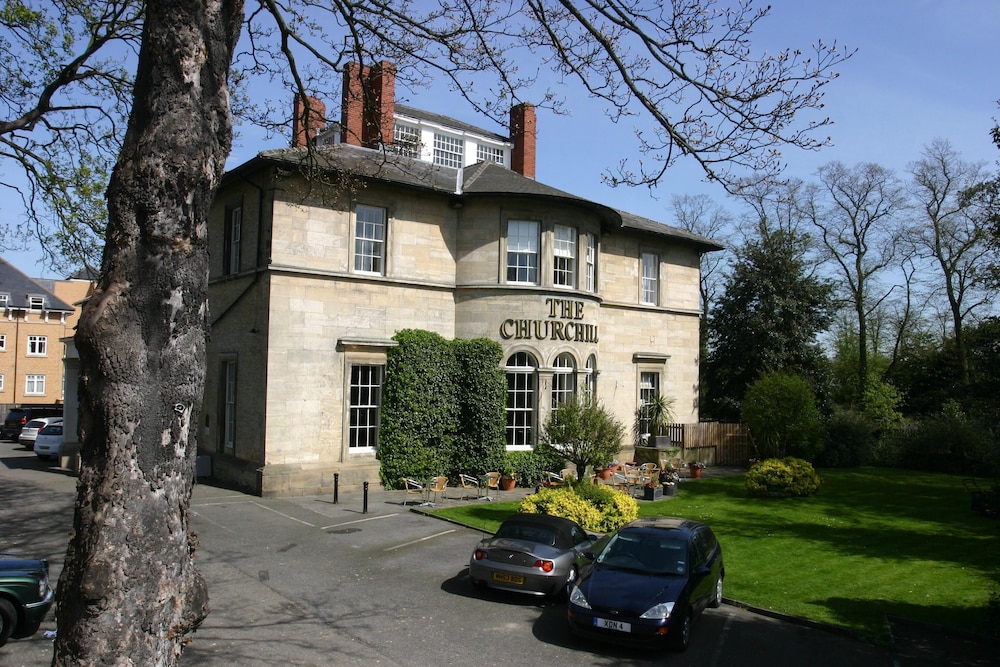
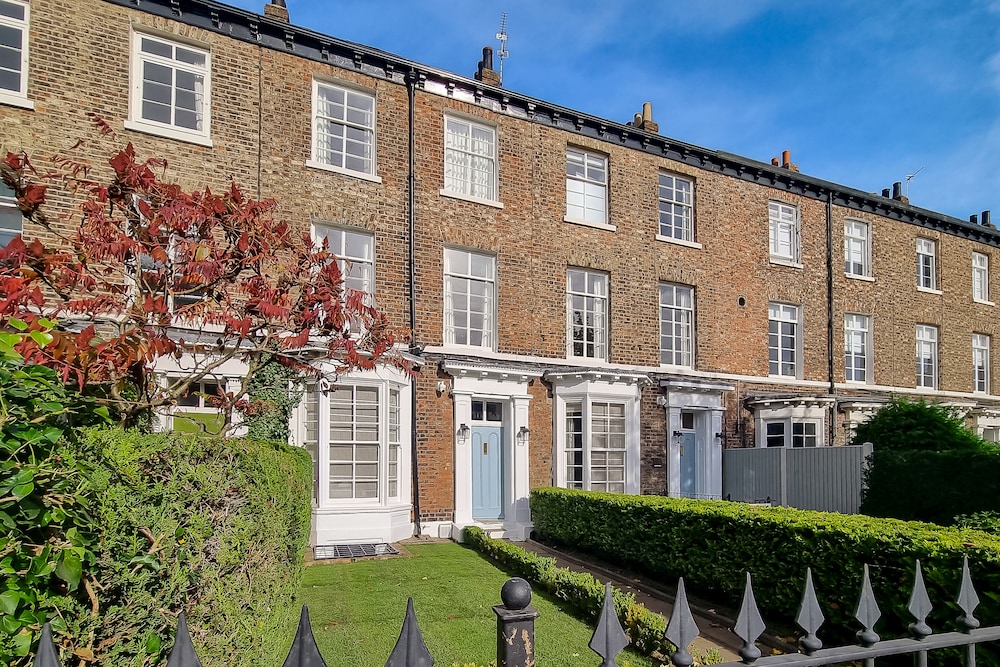
North-west of the walls, Bootham is a broad Georgian street running out towards Clifton, lined with townhouse hotels and guesthouses, many with forecourt parking. Rates sit at £120-180 and you are five minutes from Bootham Bar and the Museum Gardens, which contain the ruins of St Mary's Abbey and the Yorkshire Museum. This is the best compromise address in York: quiet at night, walkable to everything, and with the parking problem largely solved.
Further out, Clifton and the streets towards Rawcliffe get cheaper again, £90-130, and put you near the Rawcliffe Bar park and ride if you would rather leave the car for the duration. The riverside path along the Ouse from Clifton into the city is flat and pleasant, about 25 minutes. Do check flood history if you are booking a riverside address in winter; the Ouse rises seriously most years and low-lying properties near the river can be affected.
Sights ranked, and the one everyone overrates
York Minster is first and non-negotiable: the largest Gothic cathedral in northern Europe, with the Great East Window's medieval glass and an undercroft explaining the Roman fortress beneath. Admission applies and includes the tower climb for an extra charge; check current prices and climb availability. Second is the National Railway Museum, free, enormous, and the best value attraction in the city. Third, the Castle Museum for its recreated Victorian street, and fourth, the walls themselves.
Jorvik Viking Centre divides people. It is built on a genuinely important excavation and the ride-through reconstruction with smells and sounds is well done for children, but the queues in summer are long and adults expecting a museum can find it thin; timed tickets booked online solve most of it. What I would skip: the ghost walks that duplicate each other on every corner, the riverside chain restaurants, and paying to enter more than one Roman-themed attraction. Save the money for a Fossgate dinner instead.
Eating and drinking, by street
Fossgate and Walmgate are the strongest eating streets, with a run of independent restaurants, wine bars and a former chapel turned bar, and this is where I would book both dinners on a two-night trip. Micklegate is the second cluster and slightly cheaper. Shambles Market, in the middle, is the best cheap lunch in the city, with hot food stalls doing plates at £6-9 and space to sit. Bettys on St Helen's Square is the famous tea room; expect a queue and £25-45 a head for afternoon tea.
For pubs, the historic ones near the Minster and along Stonegate are pretty and packed; the better drinking is in the older, plainer pubs off Walmgate and along Fossgate, and in the riverside pubs south towards Bishopthorpe Road. A pint runs £5-6.50 in the centre. Skip Coney Street and Parliament Street for food entirely, which is chains and footfall, and skip anywhere on the Shambles selling a full menu at midday in August.
Getting in, getting around, and when to come
York is on the East Coast Main Line: roughly two hours from London King's Cross, 25 minutes from Leeds, around an hour and a half from Manchester and two and a half from Edinburgh, with the station a ten-minute walk from the Minster. Fares vary hugely by booking date, so book advance singles. If driving, use one of the park and ride sites at Askham Bar, Rawcliffe Bar, Monks Cross, Poppleton Bar or Grimston Bar rather than trying to park centrally. Timetables and fares change, so check with the operator.
On timing: May, June, September and early October are the best weeks, with long light and manageable crowds. Race meetings at York, especially the Dante meeting in May and the Ebor in August, fill every hotel in the city and push rates up by 50-100 per cent; check the racecourse fixture list before fixing dates. The St Nicholas Christmas market from mid-November to just before Christmas is charming and extremely busy at weekends; come on a Tuesday. January and February are cheap, dark and quiet, and the Minster is at its best empty.
Before you book
The questions people ask about York, answered with this month’s numbers.
For a two-night car-free trip, yes: the evening city is the point and central rooms at £160-230 buy you a four-minute walk home from dinner. With a car or a longer stay, Bootham or the Bishopthorpe Road area at £110-170, often with parking, is better value for a ten-minute walk.
Two full days covers the Minster, the walls, the National Railway Museum, the Castle Museum and a couple of good dinners. A third day is best spent out of the city — Castle Howard, Malton or Knaresborough are all under an hour — rather than adding a fourth museum.
Race weekends, particularly the May Dante meeting and August's Ebor festival, plus December weekends during the Christmas market. Rates can rise 50-100 per cent and availability disappears months ahead. Check the racecourse fixture list before booking, or aim for a midweek stay in late September.