Winter in the Yorkshire Dales: what's open, what's shut, and what a room costs in January
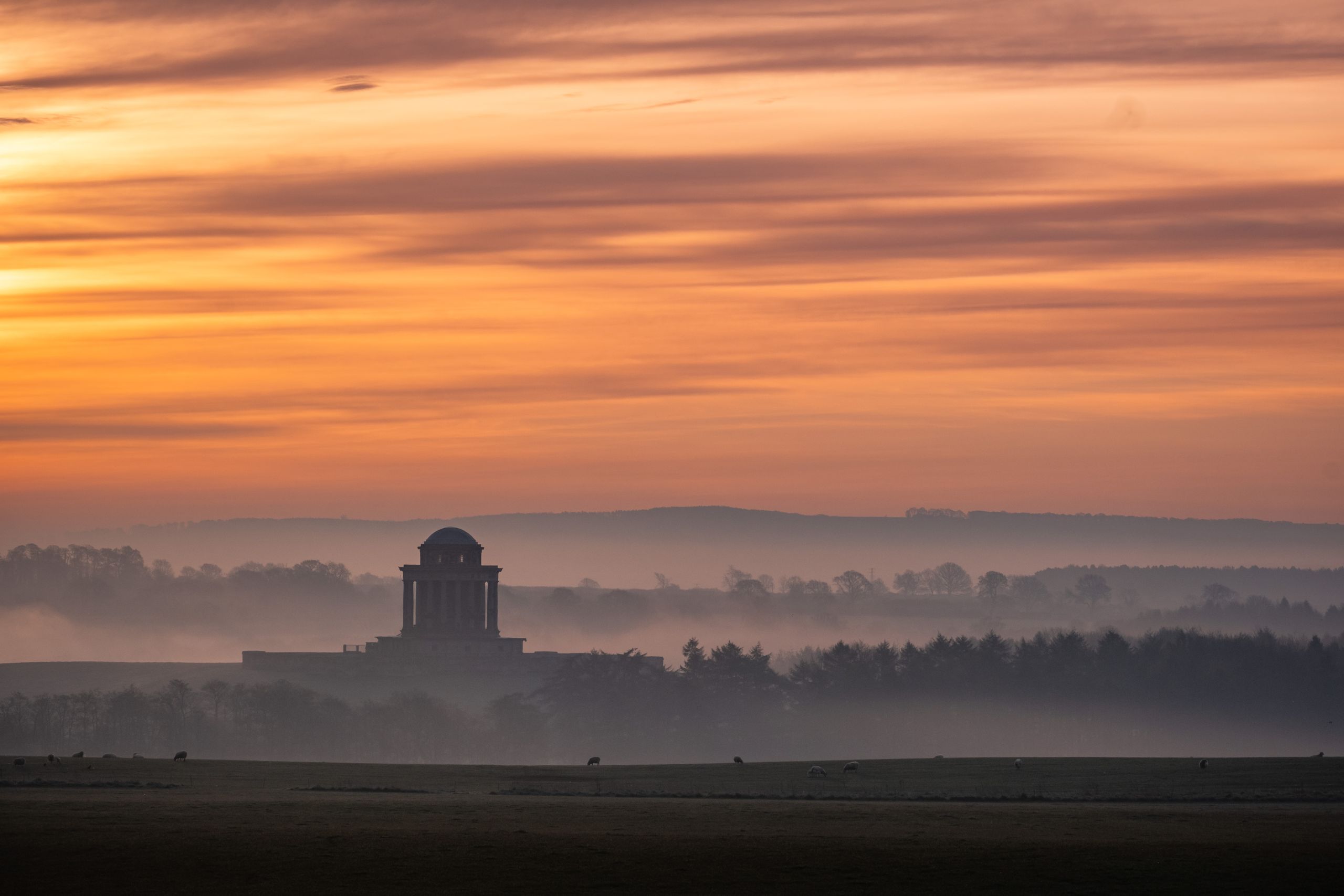 Snow-dusted limestone walls and a stone barn in a Dales valley under low winter light
January and February cut Dales room rates by roughly a third — but they also cut pub opening days, bus frequencies and daylight to about eight hours.
What a Dales winter actually feels like
Cold and wet more often than cold and white. Daytime highs in Hawes, Grassington and Settle sit around 4-7°C from December to February, with hard frosts on clear nights and genuine snow cover on the tops perhaps two or three spells a winter, more on the highest ground above 500 metres. The west of the county is the wet side: the head of Ribblesdale and the ground around Ingleton take well over three times the rainfall of the Vale of York, and a January week can deliver four wet days out of seven. Pack for saturation, not for a postcard.
Daylight is the bigger constraint. Around the solstice the sun is up shortly after eight and gone by about a quarter to four, which gives you a single usable outing per day. That reframes the trip: one good walk finishing by three, then a fire and an early dinner. It also makes the short, high-value objectives the right ones — Aysgarth Falls in spate, Malham Cove from the Malham car park, the Ingleton Waterfalls Trail — rather than a Three Peaks attempt you will finish in the dark. By early February you have gained an hour and a half of afternoon, which changes everything.
Room prices, and the midweek trap
January is the cheapest month in the Dales and the discount is real. A village inn double with breakfast that asks £130-150 in July settles at £85-110 Sunday to Thursday and £100-130 on a Saturday. Farmhouse B&Bs around Wensleydale and Swaledale go to £75-95. Self-catering falls hardest: a four-sleeper cottage in Kettlewell or Reeth that lets for £1,100 in August can be £380-550 for a January week, and owners will often take short breaks in winter that they would never accept in summer. Ask directly — winter is when the phone works better than the booking engine.
The trap is that cheap does not mean open. A meaningful number of Dales inns and cottages close for two or three weeks in January for maintenance and a family holiday, and some smaller B&Bs shut from November to March altogether. That thins supply enough that a popular Saturday in Grassington or Hawes can still sell out. Skipton, Settle, Leyburn and Richmond keep year-round stock and are the safe bases; the higher villages are the gamble. Book a refundable rate — in winter the weather is the variable worth paying £10-15 a night to hedge.
The pub problem, and how to plan around it
This catches more visitors than snow does. Between November and March many Dales pubs close on Mondays and Tuesdays, serve food only from around six to eight-thirty in the evening, and stop lunches entirely except at weekends. Turning up in a village of 200 people at two on a Tuesday expecting a hot meal is a plan that fails. The fix is unglamorous: ring the pub the day before, ask what nights the kitchen is on, and if the answer is nothing, eat in the market town. Hawes, Settle, Leyburn, Richmond, Skipton and Grassington all keep a working choice through winter.
Two practical habits help. First, take a hotel or inn that does dinner in-house and eat there at least half the nights — in January it is often the only warm room within five miles and the food is usually better than the alternative because they are cooking for residents. Second, carry lunch. The bakeries in Hawes, Settle and Grassington do good pies and sandwiches in the morning, and the Wensleydale Creamery shop at Hawes is open year-round and will sell you cheese to eat on a wall. That combination removes the single biggest friction of a winter Dales trip.
What stays open all winter
More than you would guess. The Wensleydale Creamery visitor centre and shop at Hawes runs year-round and is the best wet-afternoon destination in the upper dale. Skipton Castle, one of the most complete medieval castles in England, opens through the winter and takes about ninety minutes. Bolton Abbey estate is open daily with a car-park charge, and the priory ruins beside the Wharfe in low winter light are worth the trip on their own. The Ingleton Waterfalls Trail, a four-and-a-half-mile circular through two wooded gorges, opens year-round and is at its most dramatic after rain, which in Ingleton is most of the time.
The caves are the seasonal question. Show caves in the western Dales, including the systems around Ingleton and up at Greenhow, operate reduced winter timetables, close on some weekdays and shut entirely after heavy rain because the passages flood. Ring on the morning, not the week before. Museums follow the same pattern: the Dales Countryside Museum at Hawes and the smaller local collections often drop to weekends or shorter hours between November and Easter. Every one of these should be checked against the operator's own site on the day you travel, because winter timetables change at short notice.
The passes, the gritters and the driving reality
Three roads decide your winter itinerary. Buttertubs Pass between Hawes and Swaledale tops out around 526 metres and closes or becomes impassable in snow several times most winters. Fleet Moss, the Hawes to Kettlewell road, is the highest metalled road in Yorkshire at close to 590 metres and is the first thing to shut and the last to reopen. The road up to the Tan Hill Inn, England's highest pub at over 1,700 feet on the Swaledale-Durham watershed, is famous precisely because it gets cut off. None of these are essential; all of them are tempting on a bright morning.
The main valley roads — the A65 through Settle and Ingleton, the A684 along Wensleydale, the B6265 to Grassington, the A6108 through Leyburn and Richmond — are gritted priority routes and stay open in normal conditions. Plan the trip on those and treat the passes as a bonus. Carry a shovel, a blanket and a full tank, allow double the time you think, and never rely on satnav routing over the tops in December. If a pass is shut, the detour round the valley floor from Hawes to Reeth is over an hour, so know your alternative before you set off.
Arriving by train in winter
The Settle-Carlisle line is the great winter asset: a year-round scheduled service from Leeds through Skipton, Settle, Horton-in-Ribblesdale, Ribblehead, Dent and Garsdale, crossing the Ribblehead viaduct with the fells white on either side. It is one of the few genuinely spectacular things in the county that costs the price of a train ticket. Dent station is the highest main-line station in England and sits four steep miles above the village, so plan that one carefully. Snow occasionally causes cancellations; check on the day with the operator rather than assuming.
Local buses are the weak link. The DalesBus network and the summer leisure services that reach Malham, Buckden and the high villages run at much reduced frequency between November and Easter, and some seasonal routes do not run at all. If you are car-free, base yourself in Settle, Skipton or Leyburn where scheduled services and the railway do the work, and accept that a winter walk from a village bus stop needs checking against the actual timetable rather than a summer map. Confirm all winter services with the operators before you build a day around them.
February: dark skies, snowdrops and the turn
February is when a Dales winter becomes properly good value. Room rates are still low, but the light has come back to nearly ten hours by the end of the month, snowdrops carpet the woodland walks around Ripon, Masham and the Bolton Abbey estate, and the two national parks have in recent years run a dark skies festival across February with guided stargazing, night walks and telescope evenings at sites in the Dales and on the Moors. The upper Dales have genuinely dark skies — very little light pollution from Hawes upwards — and a clear February night from Ribblehead is extraordinary.
Book that fortnight in November if you want it, because the festival tightens rooms in Hawes, Kettlewell and the smaller villages, and half-term lands nearby. If you would rather have the sky without the crowd, come the week after: the darkness is identical and the inns are half empty. Check the programme, dates and booking arrangements with the national park authorities, since events are ticketed and the line-up changes each year. Either way, February beats January for a first winter visit — same prices, twice the usable day.
Two winter bases, and which I would book
For soft weather and certainty, base at Settle. It has a station on the Leeds line, year-round shops, several places to eat every night of the week, cottages at £400-600 a winter week, and the Ingleton waterfalls, Malham and the Ribblehead viaduct all within half an hour. When the tops are foul you can still fill a day, and when they are clear you are twenty minutes from the good stuff. Skipton does the same job with more shops and slightly less scenery. Both cost £85-120 a night in January for a solid three-star or a good pub room.
For the snow-chasing version, base at Hawes or Leyburn in Wensleydale. Hawes puts you in the highest market town in Yorkshire with the creamery, the ropemakers, the falls at Hardraw a mile away and Buttertubs on the doorstep, at £85-115 a night — but with a real chance of being weathered in and a thin choice of open kitchens on a Monday. Leyburn is the compromise: lower, better connected, a proper market square, and half an hour from Aysgarth, Bolton Castle and Richmond. If someone gave me four January nights in the Dales, I would take Leyburn.
Before you book
The questions people ask about Hawes, answered with this month’s numbers.
Roughly a third off. A village inn double with breakfast that costs £130-150 in July settles at £85-110 midweek and £100-130 on a Saturday, and farmhouse B&Bs drop to £75-95. Self-catering falls furthest, with four-sleeper cottages at £380-550 a week against £1,100 in August.
The gritted valley routes — the A65, A684, A6108 and B6265 — stay open in normal conditions. The high passes are the risk: Fleet Moss and Buttertubs close several times most winters, and the Tan Hill road regularly. Build your plan on valley roads and treat a pass as a bonus on a clear morning.
Partly. Many village pubs close Mondays and Tuesdays and serve evening food only, and some inns shut for two or three weeks in January. Skipton Castle, Bolton Abbey, the Ingleton Waterfalls Trail and the Wensleydale Creamery at Hawes run year-round, but show caves and museums cut hours. Ring on the day to confirm.
Yes, if you base on the railway. The Settle-Carlisle line runs year-round through Skipton, Settle, Ribblehead and Garsdale and is a sight in itself. Local DalesBus services are much reduced from November to Easter and some seasonal routes stop entirely, so verify every timetable with the operator before planning a walk around it.