Greystones guesthouse
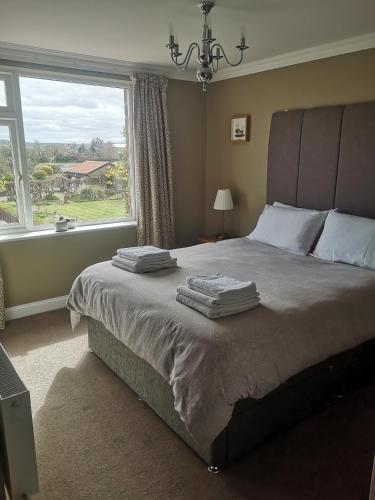
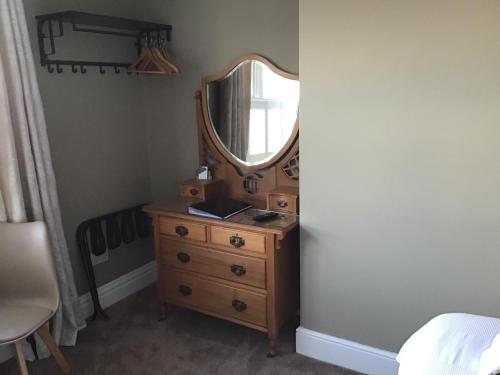
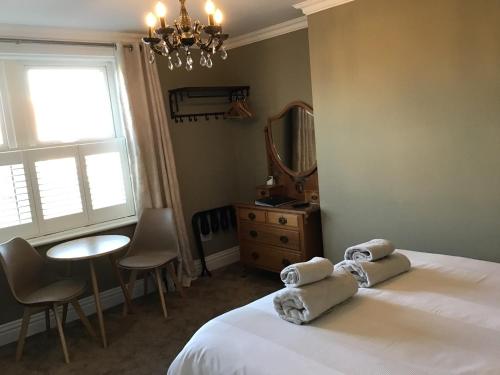
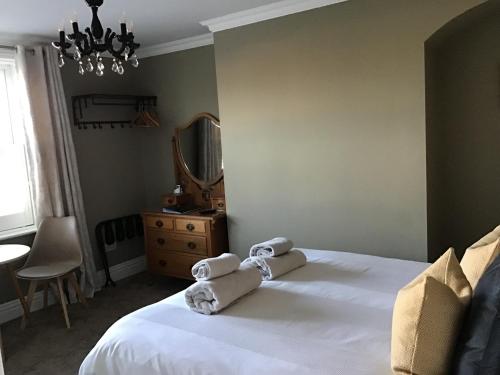

About this stay
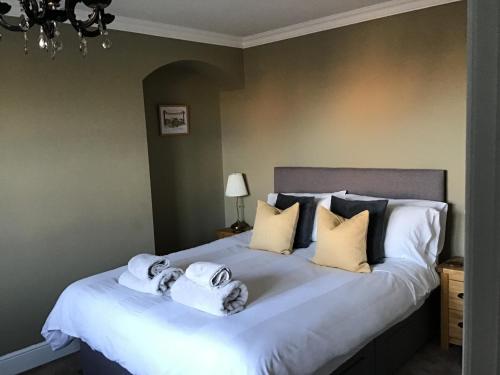
Greystones guesthouse is a hotel in Whitby, North Yorkshire.
For a cheaper night in North Yorkshire, Greystones guesthouse in Whitby keeps costs down while staying within reach of Whitby Abbey.
Book Greystones guesthouse through app.impt.io at the same live rate you would find anywhere else, with free cancellation on most rooms. Every completed booking funds one verified tonne of carbon removal — paid from the standard commission the hotel already covers, never added to your bill.
Facilities
- Bathroom
- Beach nearby
- Carpeted
- Cleaning
- First aid
- Free Wifi
- Free car parking
- Hairdryer
- Internet access
- Iron and board
- Laundry Service
- Non smoking rooms
- Parking
- Refrigerator
- Safe
- Shower
- Smoke detector
- TV
All 23 facilities
- Toiletries
- Towels
- WC
- Water
- Wifi
Location
101 Mayfield Road, Whitby, United Kingdom.
Open in Google Maps ↗Questions, answered
Where is Greystones guesthouse located?
Greystones guesthouse is in Whitby, North Yorkshire (101 Mayfield Road, Whitby, United Kingdom), close to Whitby Abbey.
How much does Greystones guesthouse cost per night?
Prices are set live by the hotel — check the booking page for a real rate for your dates.
Is North Yorkshire walkable, or do you drive everywhere?
The towns are very walkable; the gaps between them are not. York's centre is compact enough that the walls circuit takes about an hour, and Harrogate, Knaresborough, Ripon, Richmond and Skipton are all easily crossed on foot. Whitby is walkable but vertical — the 199 steps up to the abbey and the East Cliff are the point — and Robin Hood's Bay means a steep half-mile down from the clifftop car park, which is hard work with luggage. Between areas you need a car or a train: York to Whitby is 45 miles, and there is no direct rail line.
Where should I stay to see the most castles and abbeys?
Pick two bases: Ripon or Thirsk for the west and north, Malton or Helmsley for the east. From Ripon you have Fountains Abbey four miles away, Ripley Castle, Newby Hall, Middleham Castle, Jervaulx and Bolton Castle in Wensleydale, and Richmond's Norman keep within 25 miles. From Helmsley — which has its own castle ruins — Rievaulx is three miles, Byland and Nunnington are close, and Pickering Castle is 15 miles east. Castle Howard sits between Malton and York on the A64 and is worth its own half-day, especially from mid-November when its Christmas rooms open and Ryedale hotels start filling.
Where is the best area to stay in North Yorkshire for a first visit?
York, for a first trip. Everything central — the Minster, the two miles of city walls, Jorvik, Clifford's Tower and the Shambles — is walkable, and trains reach Scarborough in about 50 minutes, Harrogate in 35 and Northallerton in 25. Expect £110–£180 for a mid-range double inside the walls, more on race days. If that is above your budget, base in Malton, Selby or Tadcaster and commute in, or choose Harrogate if you want a spa-town break rather than a heritage one.
What is the cheapest month to visit North Yorkshire?
January is the cheapest, with late November and early March close behind. Budget rooms in Scarborough, Northallerton and Selby drop to around £55–£70, and mid-range York hotels that cost £160 in August often sit near £80 midweek. The one January–February exception is the Jorvik Viking Festival around York's February half-term, which fills the city for a week. Bear in mind some Dales inns in Hawes and Grassington close for a fortnight after New Year, so check before you drive out.
How many nights do you need in North Yorkshire?
Three nights minimum, five to seven if you want the city, the coast and a national park. One base cannot cover the county — Skipton to Whitby is 90 miles and over two hours by road. A good week is two nights in York, two on the coast at Whitby or Scarborough, and two or three in the Dales at Leyburn, Grassington or Hawes. If castles and abbeys are your reason for coming, replace the coast leg with Helmsley or Thirsk for Rievaulx, Byland and Mount Grace Priory.