Robin Hood's Bay
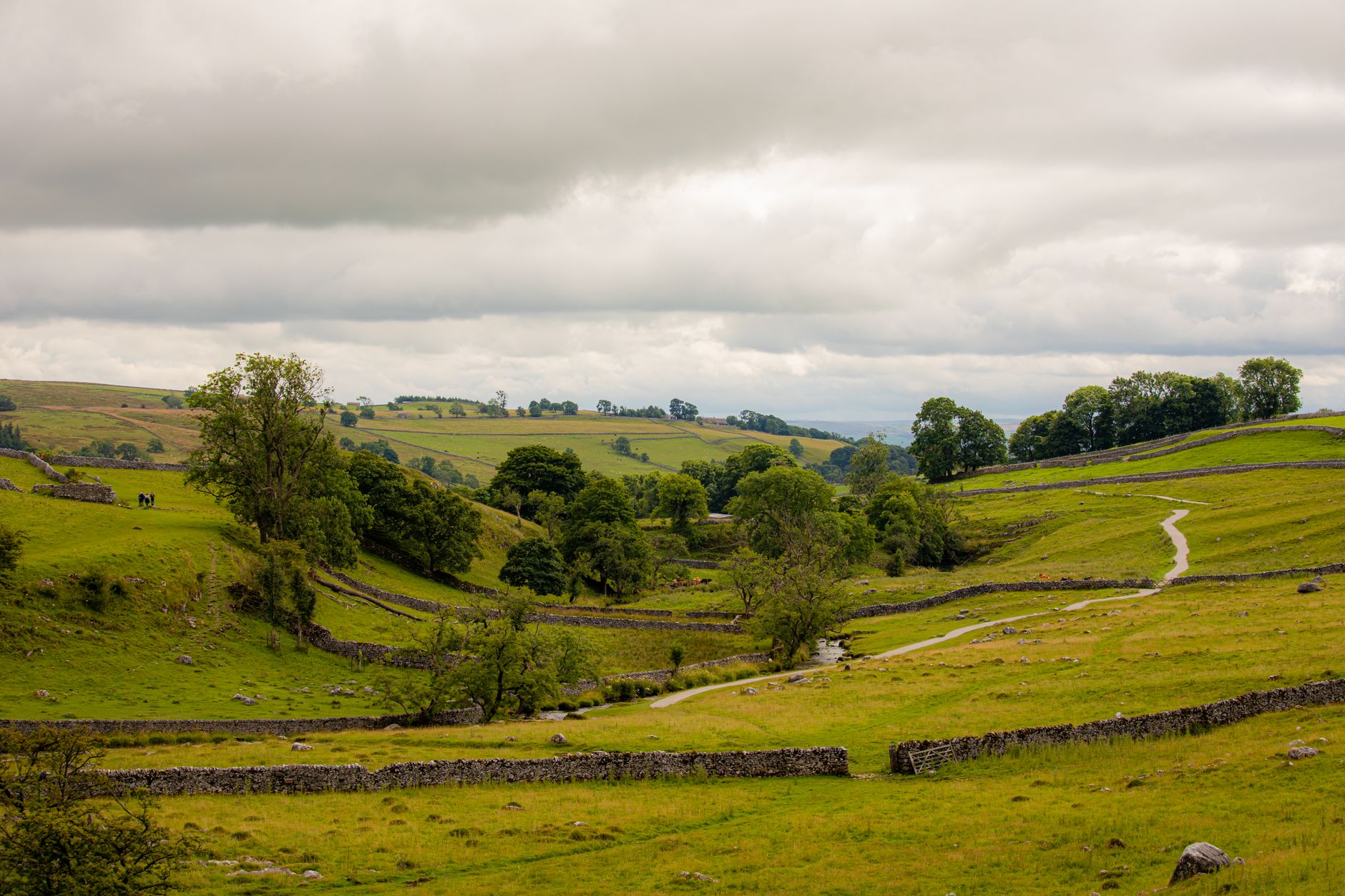
Smugglers' village stacked down a one-in-three ravine near Whitby. Beautiful, steep, tiny, and completely full by 11am in August.
 Red-roofed cottages stacked down the ravine at Robin Hood's Bay with the slipway and shore below
Why people stay in Robin Hood's Bay
Robin Hood's Bay is a village on the coast six miles south of Whitby, not a suburb of anywhere, and it is built down a ravine at a gradient that punishes knees. The old part — Bay Town, or just the Bay — is a stack of red pantile roofs, ginnels and stone steps ending at a slipway called the Dock. Cars cannot get down beyond a residents' barrier, so you park at the top and walk. Ten minutes down New Road, fifteen back up, and the return leg is the reason people stay two nights instead of one.
It is genuinely lovely and it is also genuinely mobbed. Between 11am and 4pm from late July to the end of August the main street is a slow-moving queue. Come before nine or after six and it is another village entirely: gulls, the smell of coal fires in the shoulder season, and three pubs — Ye Dolphin on King Street, the Laurel Inn halfway down New Road, and the Bay Hotel at the bottom — each with a fire and a small bar. Last orders are around eleven and the walk back up in the dark is unlit in places, so take a torch.
This is the finishing line of Wainwright's Coast to Coast, 190-odd miles from St Bees, and walkers stagger down to the slipway, dip a boot and put a pebble in the sea outside the Bay Hotel. The Cleveland Way runs through on the clifftop, and the Cinder Track — the old Whitby to Scarborough railway — passes the top of the village if you cycle. The beach itself is not for sunbathing: it is rock scars, boulders and Jurassic shale, which is why it is one of the best fossil beaches in England.
Skip the Bay if anyone in the party has mobility problems, if you need to park outside your door, or if you want restaurant choice — there are perhaps five places serving dinner and in winter that drops to two. Rooms are not cheap for what they are: £110 to £160 in summer for a small cottage room in the old village, £75 to £95 up at the top or in the shoulder months. Pay it for the location; the location is the entire product.
Two very different bases. Down in Bay Town — King Street, Chapel Street, Sunny Place, Fisherhead — you get thick walls, sloping floors, sea sound at night and no vehicle access; expect £110 to £165 in season and understand you will be carrying luggage 300 metres down a one-in-three slope. Up top, along Station Road, Thorpe Lane and Mount Pleasant North, are the larger inns and guesthouses at £80 to £120 with parking on site, which is what most people should actually book. Avoid ground-floor rooms directly on New Road unless you like footsteps from 8am. Fylingthorpe, ten minutes' walk inland, is quieter again and often £15 cheaper. Boggle Hole youth hostel, a mile south in its own cove, does private rooms and is the best-value bed in the parish if you can handle the track down.
Things to do in Robin Hood's Bay

Walk down to the Dock slipway and turn right along the rock scars towards Boggle Hole. Ammonites and belemnites weather out of the shale constantly — take what is loose on the beach, never hammer the cliff. Two hours either side of low water only; the tide comes in fast and cuts the return off.

National Trust visitor centre right at the bottom of the village, on the seaward side of the slipway. Free entry, two floors on the geology, the smuggling trade and the lost cottages the sea has taken. Good rainy-hour stop and there is a tide table on the door, which is the most useful thing in the Bay.

The Bay Hotel sits on the slipway with Wainwright's Bar upstairs and the finishing book on the counter. Even if you have not walked from St Bees, it is worth the pint for the window seat and the sight of exhausted walkers dipping their boots in the North Sea outside at four in the afternoon.

One mile from the Dock, either along the beach at low tide or over the clifftop on the Cleveland Way with a steep set of steps at Mill Beck. Boggle Hole has a hostel café doing coffee and cake from mid-morning. Do the beach one way and the cliff the other for the best of both.

Wander the yards off King Street — Sunny Place, Bloomswell, the Openings — where contraband once moved cottage to cottage without touching the street. Finish at Ye Dolphin on King Street, a low-beamed pub with live folk on some weekend nights and food until around 8.30pm. Book on summer Saturdays or stand up.

Join the old railway line at the top of the village near Station Road and ride north; it is roughly six traffic-free miles to Whitby via Hawsker, on a firm but sometimes rough surface. Hire is available at Hawsker, a mile and a half up the track. Allow an hour each way at a gentle pace.
What to see
Hotels in Robin Hood's Bay
No hotels are listed in Robin Hood's Bay yet. The nearest ones are on the region page.
Getting around Robin Hood's Bay
The nearest railway station is Whitby, six miles north on the Esk Valley line from Middlesbrough — about 90 minutes from Middlesbrough and awkward from York. Most people arrive by bus or car. Arriva's X93 between Scarborough and Whitby runs through hourly, more often in summer, stopping at the top of the village on Station Road and Thorpe Lane; roughly 20 minutes to Whitby, 45 to Scarborough. By car it is off the A171 Whitby to Scarborough road. Park in the pay-and-display at the top of the village, around £7 for a day, and walk down — the road below the barrier is residents only and the enforcement is not decorative. Nothing in Bay Town is more than eight minutes on foot from anything else, all of it vertical.
Questions about Robin Hood's Bay
Not unless you hold a residents' permit or have pre-arranged access with your accommodation. A barrier partway down New Road stops general traffic and the streets below are too narrow to turn in anyway. Park in the main car park at the top on Station Road for around £7 a day and walk down; some Bay Town guesthouses will help ferry luggage if you ask when booking.
Steep enough to matter. New Road climbs roughly one in three from the Dock to the car park, about 300 metres of road with no shortcut. Fit walkers do it in ten minutes; most people take fifteen with a stop. There are benches on the way and no vehicle alternative, so it is not a good choice for anyone with a heart or mobility problem.
Yes, precisely because the day-trippers leave. Between 6pm and 10am the village is quiet, the pubs have space, and the light on the bay at dawn is the reason photographers book here. A summer room runs £110 to £160 in the old village, £80 to £120 at the top. One night is enough to see it; two if you plan to walk the cliffs.
The choice is small: the Bay Hotel and Ye Dolphin down in the old village, the Laurel Inn for drinks and simple food, the Victoria at the top for pub dinners with a view, plus a couple of seasonal cafés and a chip shop. Most kitchens stop taking orders between 8pm and 8.30pm and Sunday evenings are thin, so book ahead in July and August.