Sutton Bank and the Kilburn White Horse
James Herriot called the view from this escarpment the finest in England, and thirty minutes on the Cleveland Way from the car park is all it takes to see why.
 View west from Sutton Bank escarpment over the Vale of York with Lake Gormire below
What to expect at Sutton Bank and the Kilburn White Horse
Sutton Bank is the western wall of the North York Moors, a limestone and sandstone escarpment that drops nearly 300 metres to the Vale of York and Vale of Mowbray in one abrupt line. The A170 climbs it at a gradient of one in four with hairpins that caravans are banned from attempting, and at the top sits the North York Moors National Park Centre, the busiest visitor hub in the park. The view west takes in the Vale, the Pennines beyond and, on a clear day, the Yorkshire Dales fifty miles away; James Herriot, who practised as a vet down in Thirsk, called it the finest view in England and the National Park has never let anyone forget it. Just below the cliff lies Lake Gormire, one of very few natural lakes in Yorkshire, formed when a glacial landslip dammed the hollow, and with no inflow or outflow visible.
A mile and a half south along the cliff edge is the Kilburn White Horse, cut into the hillside in 1857 by the schoolmaster John Hodgson and the village children under the direction of Thomas Taylor, a Kilburn man who had seen the chalk horses of the south. It is around 97 metres long and 67 metres high, and because this is not chalk country it has to be dressed with limestone chippings to stay white. The walking is simple: from the National Park Centre take the Cleveland Way north or south along the very lip of the escarpment on level, well-surfaced path, with a fence and unbroken views the whole way. The southern leg reaches the horse and the Yorkshire Gliding Club, where gliders are winched off the cliff top, in about 40 minutes.
The short, surfaced Finest View trail runs a few hundred metres from the centre to the main viewpoint and is genuinely accessible. Longer loops descend to Lake Gormire through Garbutt Wood nature reserve, a steep and often muddy 40-minute drop with a hard climb back, or run north to Whitestone Cliff and Boltby. Mountain bikers get graded green, blue and red trails through the woods behind the centre, with bike hire and a small skills area available from the visitor centre in season. The centre itself has a cafe, an exhibition on the moors, toilets and an events programme; Sutton Bank is also a Dark Skies Discovery Site, and star-gazing evenings run in winter.
Sutton Bank sits on the A170 six miles east of Thirsk and eight miles west of Helmsley, roughly 25 miles north of York, which is a 45-minute drive up the A19 and across. Coming from the west you climb the bank itself, a slow, low-gear ascent with a viewpoint lay-by near the top; from the east it is a gentle approach across the moor edge, which is the sensible route with a trailer or a nervous driver. The National Park Centre car park is large, pay-and-display, and costs around £6 for the day. Thirsk station, on the East Coast Main Line with fast trains from York in 20 minutes, is the nearest railhead; there is no regular scheduled bus up the bank, though seasonal Moorsbus services call at the centre on summer Sundays. A taxi from Thirsk runs about £15.
Walking here costs nothing at all. The escarpment paths, the Cleveland Way, the White Horse and Garbutt Wood are all free to access, and the National Park Centre charges no admission for its exhibition or its viewpoint terrace. The single cost is parking at roughly £6 for the day, waived for National Park members. Extras are optional: cafe lunches at around £8-£12, mountain bike hire from the centre for a half or full day, and paid events such as guided walks and dark-sky evenings. If you want to see the White Horse from below rather than above, there is a small free car park in Kilburn village at the foot of the hill and a steep stepped path up to the horse's head.
Clear afternoons in late spring and early autumn give the best of the view, when the Vale is not hazed by summer heat. Mornings are quieter: before 10:30 the car park is half empty and the cliff-top path belongs to dog walkers. Weekends from Easter onwards, and every day of the school holidays, bring family crowds to the centre, though the walkers thin out within ten minutes of leaving the car park. Winter is superb on a cold, bright day and grim in low cloud, when the view simply is not there, and the bank road can be closed by snow and ice. The centre keeps to roughly 10:00-17:00 in summer and shuts an hour earlier in winter, with limited days around Christmas.
This is one of the easiest big views in the north to reach with mixed ability groups: the surfaced trail to the viewpoint suits wheelchairs and buggies, the cliff path is flat enough for grandparents, and the woodland bike trails keep teenagers busy. Families with small children should note the unfenced sections beyond the main viewpoint and the sheer drop. Anyone with an hour between trains at Thirsk cannot realistically do it; anyone with half a day can walk to the White Horse and back and still have lunch. In fog or driving rain there is nothing to see, and the centre alone will not fill an afternoon.
Thirsk, six miles west, is the obvious pairing: a proper market town with a cobbled square, the World of James Herriot museum in the old surgery, and Thursday and Saturday markets. Helmsley, eight miles east, has its castle ruin, the walled garden and some of the best places to stay on the moors edge, at £110-£190 a night in season. Rievaulx Abbey is 20 minutes east. Byland Abbey and the village of Coxwold, with Shandy Hall, lie a few minutes south of the bank. Kilburn village itself is worth the detour for the Robert Thompson Mouseman furniture workshop and its visitor centre.
The honest caveats: the view is entirely weather-dependent, and a good half of British days deliver cloud at 250 metres. The White Horse, seen close up from the path above, is a confusing sprawl of chippings; it reads far better from the A19 six miles away or from Kilburn village. Lake Gormire looks tempting from the top but is a stiff, slippery descent and the return climb defeats people who took the path lightly. The car park fills on bank holidays by mid-morning, the cafe queue can run ten minutes deep, and there is no public transport of any use on most days of the year.
Questions about Sutton Bank and the Kilburn White Horse
The walking is free. There is no admission charge for the escarpment paths, the Cleveland Way, the White Horse or the National Park Centre's exhibition and viewpoint. The one cost is parking at the centre, around £6 for the day, and that is waived for National Park members. Optional spends are the cafe at roughly £8-£12 for lunch, mountain bike hire by the half or full day, and ticketed guided walks or dark-sky evenings run through the year.
Access is free at every hour, since the paths are open country crossed by the Cleveland Way and nothing is gated. Only parking is charged, and the machines are at the National Park Centre. If you want to avoid the fee altogether, start from the small free parking area in Kilburn village at the foot of the hill and walk up to the White Horse, or approach along the Cleveland Way from Boltby or Cold Kirby, which adds a couple of miles each way.
Two to three hours covers it comfortably: 20 minutes to the main viewpoint and back on the surfaced trail, or about an hour and a half for the return walk south along the cliff to the White Horse and the gliding club. Add an hour if you drop to Lake Gormire through Garbutt Wood, which is steep in both directions. Bikers hiring at the centre usually take a half day on the graded woodland trails.
The paths never close. The National Park Centre opens daily, roughly 10:00-17:00 from spring to autumn and 10:00-16:00 in winter, with reduced days over the Christmas period; the cafe and cycle hire follow those hours. In heavy snow or ice the A170 bank road itself can close, cutting the site off from the Thirsk side, and in low cloud the view disappears even though everything is technically open. Check the forecast before committing.
No booking is needed to walk or park. Bike hire is worth reserving ahead in school holidays and at weekends, as the centre holds a limited fleet, and guided walks, dark-sky nights and other events are ticketed and sell out. Nothing else requires a reservation. If you are staying nearby, book Helmsley or Thirsk rooms well in advance for summer and for race days at Thirsk, when prices climb sharply.
Thirsk, six miles west on the East Coast Main Line, with trains from York in about 20 minutes and from Northallerton in ten. There is no regular bus up Sutton Bank, so from Thirsk station expect a taxi at around £15 each way, or cycle the A170 only if you are confident on a one-in-four climb. Seasonal Moorsbus services call at the National Park Centre on some summer Sundays and bank holidays. Otherwise, come by car.
Hotels near Sutton Bank and the Kilburn White Horse
Every hotel we cover in Thirsk
- The Forresters Arms Kilburn 3★ · 4.5/5 · 2.2 km away
- The Little House 3★ · 2.2 km away
- Woodside Barn 2★ · 2.3 km away
- Kitchen Cottage 3★ · 3 km away
- Little Byre Cottage 3★ · 3 km away
- Stable Cottage 3★ · 3 km away
- The Granary 3★ · 3 km away
- The Whitestonecliffe Inn 2★ · 4.3/5 · 3 km away
- Finest Retreats Cleveland Hall Apt 4★ · 3.2 km away
- Finest Retreats Pennine Hall Apt 4★ · 3.2 km away
- Finest Retreats Swaledale Hall Cottage 4★ · 3.2 km away
- Finest Retreats York Hall Apt 4★ · 3.2 km away
- Lodge in Thirsk With Spa & Scenic Trails 2★ · 3.2 km away
- Badger 3★ · 4 km away
- The Seahorse 3★ · 5.2 km away
- The Carpenters Arms 5★ · 4.7/5 · 5.4 km away
- West Acre Lodge 4★ · 5.5 km away
- The White Horse Lodge Hotel 3★ · 3.6/5 · 5.6 km away
- Cosy family farm static caravan 7.8 km away
- The Cosy Caravan 3★ · 7.9 km away
- Wren's Nest 3★ · 8.2 km away
- Fantinos 3★ · 3.7/5 · 8.3 km away
- Ickle Pickle Cottage 3★ · 8.3 km away
- Herriot's Nook 4★ · 8.3 km away
More things to do
All things to do


From the journal
All posts Comparisons & rankings
Hotels with hot tubs in North Yorkshire
Comparisons & rankings
Hotels with hot tubs in North Yorkshire
Nine types of hot-tub stay across the Dales, Moors and coast, with honest price bands from £110 a night for a pub room to £340 for a suite with a private tub.
 Comparisons & rankings
Best dog-friendly hotels in North Yorkshire
Comparisons & rankings
Best dog-friendly hotels in North Yorkshire
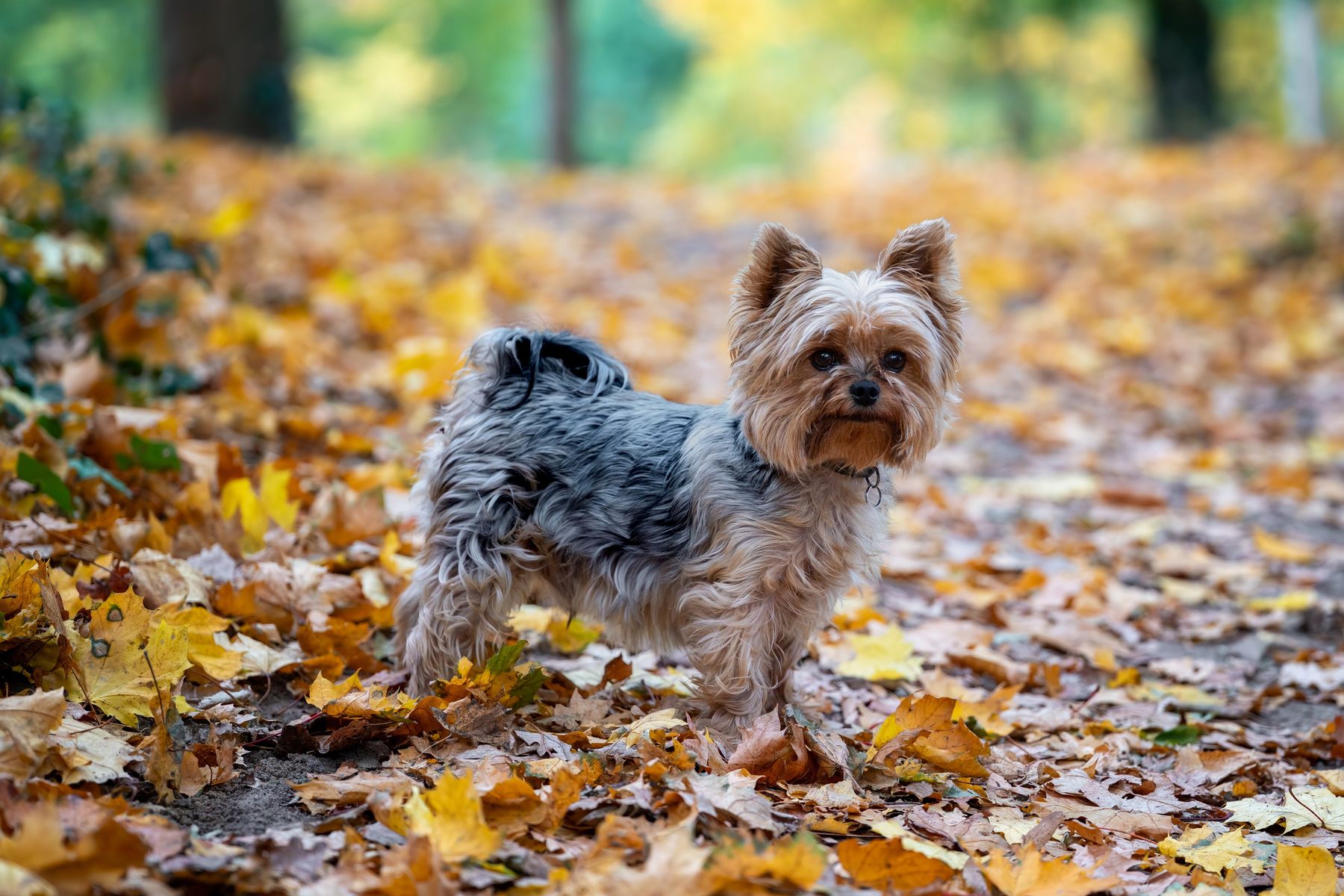
Eight kinds of dog-welcoming stay across the county, with typical dog charges of £10-25 a night and the walks, beaches and pub rules that decide where you actually book.
 Comparisons & rankings
Best Dog-Friendly Hotels in North Yorkshire 2026
Comparisons & rankings
Best Dog-Friendly Hotels in North Yorkshire 2026
From coastal retreats in Whitby to moorland boltholes near Helmsley, North Yorkshire's dog-friendly hotels welcome your four-legged companion with open arms—and often a bowl of treats at reception.