Whitby Abbey
Skeletal gothic arches on a North Sea headland, above the 199 Steps — the monastery of Hild and Caedmon, and the silhouette that gave Bram Stoker his Dracula.
 Gothic ruins of Whitby Abbey on the cliff above the harbour
What to expect at Whitby Abbey
Whitby Abbey occupies one of the most consequential sites in English Christianity. King Oswiu founded a double monastery of monks and nuns here in 657 under Abbess Hild, and in 664 it hosted the Synod of Whitby, which settled the date of Easter and aligned the English church with Rome rather than the Irish tradition. Caedmon, the first named English poet, was a herdsman here. Vikings destroyed that community; a Benedictine house was refounded around 1078, and the ruins standing today are largely thirteenth-century gothic — the north transept and the choir survive best, the nave partly collapsed in 1763 and the central tower fell in 1830. In December 1914 German battlecruisers shelled Whitby and damaged the west front. English Heritage runs the site, with the museum and visitor centre housed in the seventeenth-century Cholmley House alongside.
Approach on foot up the 199 Steps from Church Street and you get the visit the way pilgrims and sailors' widows got it — a steady climb past St Mary's churchyard, its blackened headstones leaning over the sea, into the abbey precinct. The site itself is a wide grassy plateau: the church shell, the reflecting pond that gives the postcard image, and the outline of the cloister marked in the turf. The museum in Cholmley House is small but sharp, with Anglo-Saxon finds, a Caedmon display, and the Dracula material Whitby cannot escape. Outside stands the headless Cholmley statue and the seventeenth-century banqueting house facade. Interpretation panels are set around the ruin and an audio guide is included. The exposed edge above the harbour is where everyone stops.
Allow an hour to ninety minutes, two if you take the museum slowly and stop for a drink. Book online in the peak season; it saves a pound or so and a queue. The unmissable pairing is the climb: do the 199 Steps up and Abbey Lane down, or vice versa, and take in St Mary's Church at the top, whose box pews and triple-decker pulpit are extraordinary and cost nothing to see. Photographers want the reflecting pond in the hour before sunset. If you are visiting during either Whitby Goth Weekend — late April and late October — expect the town, the steps and the abbey to be busy, dressed and enormous fun, but book accommodation months ahead.
Whitby is on the coast 20 miles north of Scarborough on the A171 from Middlesbrough and the A171/A169 from Pickering across the moors. The abbey sits on the East Cliff: park at the Abbey Headland pay-and-display off Abbey Lane, at roughly £3-5 for a few hours, or park in the town and walk. Whitby railway station is served by the Esk Valley line from Middlesbrough, a scenic 90-minute run, and by the North Yorkshire Moors Railway steam service from Pickering and Grosmont in season; from the station it is a 20-minute walk across the swing bridge and up the steps. Buses X4 and 93 run along the coast from Scarborough, roughly an hour. The park-and-ride at Whitby Business Park operates in summer.
Adult admission has been running around £13 in peak season and a little less in winter, with children roughly £8, family tickets near £34, and English Heritage members entering without further payment. The audio guide and the museum are included. Parking at the headland is separate and charged by the local council. Inside, there is a small cafe and shop; a coffee and cake is around £6. The 199 Steps, St Mary's Church and the churchyard all cost nothing, which matters — a great deal of what people photograph in Whitby is on the free side of the fence. English Heritage annual membership costs roughly what four adult admissions do and covers Scarborough Castle, Richmond, Middleham and Rievaulx too.
First thing and last thing are the good hours. From 10:00 to 11:30 the plateau is quiet; the coach and day-tripper crush lands from noon until about 16:00 in summer. Late afternoon light in September and October, with the North Sea going pewter, is the best photography of the year. The site opens Thursday to Monday only from November to March, closing at 16:00 — Tuesdays and Wednesdays in winter catch a lot of people out. It closes 24-26 December and 1 January. The headland takes the full force of the wind off the sea; on a February gale it is genuinely hard to stand up, and even in July a jumper is not optional. Illuminated abbey evenings run in late October and sell out.
It suits ruin-lovers, photographers, Dracula readers and anyone doing the Whitby day properly. Children like the space and the pond and are usually done in 45 minutes. Wheelchair users can reach the site by road via Abbey Lane and the headland car park, with level access to the visitor centre, museum and much of the grassed area, though the turf is uneven and the 199 Steps are obviously impossible. Anyone with knees that dislike stairs should drive up rather than climb. On a wet day the museum is 25 minutes of shelter and no more. Nearby: St Mary's Church at the top of the steps, the harbour and Church Street below, the pier and West Cliff across the swing bridge, and the fish and chip shops in the old town.
Honest caveats. The abbey is a ruin of moderate size and the ticketed part is smaller than the view suggests — much of the drama is the setting, and the setting is visible from the churchyard next door without a ticket, which visitors on a budget should simply know. The Dracula connection is heavily marketed here, but Stoker set only a fragment of the novel in Whitby and the abbey barely features; do not expect a Dracula attraction. Parking on the headland fills by 11:00 in August. The wind is worse than any guidebook admits. And the town below, gorgeous as it is, is a crush on summer weekends — come midweek or out of season if you want it to breathe.
Questions about Whitby Abbey
Adult admission runs around £13 in the main season, a little less in winter, with children about £8 and a family ticket near £34. English Heritage members enter without further payment. The museum in Cholmley House and the audio guide are both included. Parking on the headland is separate, charged by the council at roughly £3-5 for a few hours. Booking online usually saves about a pound and lets you skip the ticket desk queue in August.
You can see a great deal of it. The 199 Steps, St Mary's Church and its clifftop churchyard are open at no charge and give the classic silhouette view of the ruins, as does the path along the East Cliff and the view from the West Cliff across the harbour. What the ticket buys is entry to the precinct itself, close-up access to the church shell, the reflecting pond viewpoint and the museum. There are no free admission days.
One to two hours. The ruin itself takes 30-40 minutes at a walking pace, the museum in Cholmley House another 25, and the audio guide runs around 40 minutes if you follow it fully. Add the climb up the 199 Steps and a look at St Mary's Church and you have a comfortable half-morning. Photographers waiting for light at the reflecting pond stay longer, particularly in September and October.
Yes, but only Thursday to Monday from November to March, typically 10:00-16:00, which is the most common planning mistake visitors make here. From April to September it opens daily 10:00-18:00, and daily 10:00-17:00 in October. It closes 24, 25 and 26 December and 1 January. Severe coastal weather can close the exposed headland site at short notice — worth a phone check before driving over the moors in a gale.
Standard admission is walk-up and rarely sells out, though online booking saves a small amount and skips the desk queue at peak times. The exceptions are the illuminated abbey evenings in late October, which are timed, separately ticketed and sell out well ahead, and the two Whitby Goth Weekends in April and October, when the town is full and accommodation needs booking months in advance rather than the abbey itself.
On foot it is the 199 Steps from Church Street in the old town, a ten-minute climb with benches on the way, or the gentler Caedmon's Trod path. By car, take Abbey Lane to the Abbey Headland pay-and-display car park at the gate, which fills by late morning in August. Whitby railway station, served by the Esk Valley line and seasonal North Yorkshire Moors Railway steam trains, is a 20-minute walk away across the swing bridge.
Hotels near Whitby Abbey
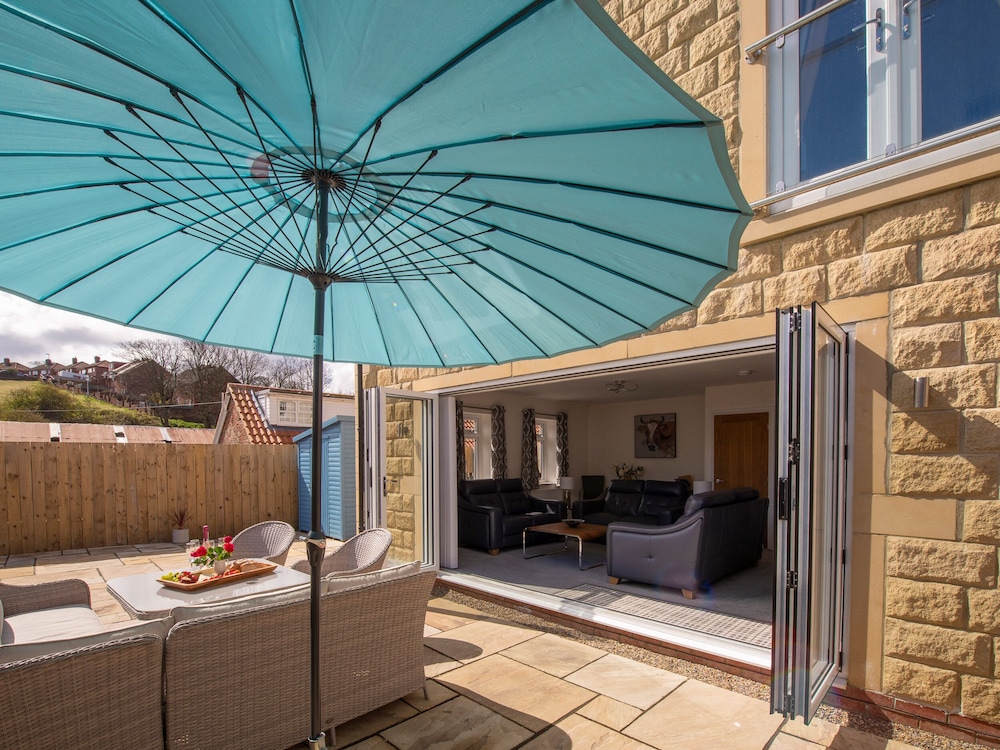
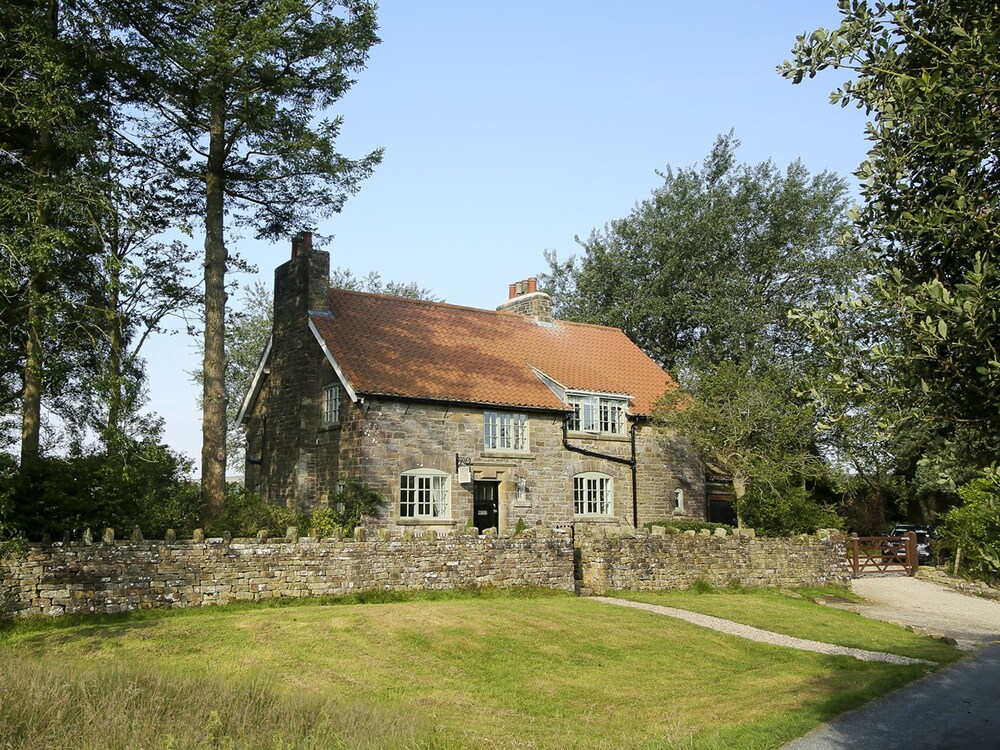
Every hotel we cover in Whitby
- Host & Stay The Coach House 4★ · 0.1 km away
- Caedmons View at Whitby Abbey 2★ · 0.1 km away
- Coastguards Cottage 4★ · 0.1 km away
- Old Kipper Cottage 3★ · 0.2 km away
- Henrietta cottage 4★ · 0.2 km away
- Sea Dog Cottage Uk42479 4★ · 0.2 km away
- Hideaway Retreat 4★ · 0.2 km away
- Host & Stay Greens Yard House 4★ · 0.3 km away
- Wesley Chapel Cyanacottages 4★ · 0.3 km away
- Sanders House 2★ · 0.3 km away
- Bensons Gem Cyanacottages 4★ · 0.3 km away
- Ocean Cottage 3★ · 0.3 km away
- Host Stay No 3 Sandside 2★ · 5/5 · 0.3 km away
- Seacrest Cottage 4★ · 0.3 km away
- Seacrest Cottage 3★ · 0.3 km away
- Sandside Retreat 3★ · 0.3 km away
- Awd Tut's 3★ · 0.3 km away
- Caedmon Cottage Uk43430 3★ · 0.3 km away
- Cobblestones 3★ · 0.3 km away
- Cor Cottage 4★ · 0.3 km away
- Honeyz Hideaway 4★ · 0.3 km away
- Hudson's Hideaway 1a Woodwark's Yard 4★ · 0.3 km away
- Glasswing Stays The Nest 4★ · 0.3 km away
- Cobbles House 2★ · 0.3 km away
More things to do
All things to do


From the journal
All posts Comparisons & rankings
Hotels with hot tubs in North Yorkshire
Comparisons & rankings
Hotels with hot tubs in North Yorkshire
Nine types of hot-tub stay across the Dales, Moors and coast, with honest price bands from £110 a night for a pub room to £340 for a suite with a private tub.
 Comparisons & rankings
Best dog-friendly hotels in North Yorkshire
Comparisons & rankings
Best dog-friendly hotels in North Yorkshire
Eight kinds of dog-welcoming stay across the county, with typical dog charges of £10-25 a night and the walks, beaches and pub rules that decide where you actually book.
 Comparisons & rankings
Best Dog-Friendly Hotels in North Yorkshire 2026
Comparisons & rankings
Best Dog-Friendly Hotels in North Yorkshire 2026
From coastal retreats in Whitby to moorland boltholes near Helmsley, North Yorkshire's dog-friendly hotels welcome your four-legged companion with open arms—and often a bowl of treats at reception.